Posts

Showing posts with the label phytonutrients

6 Best Phytonutrients Supplements: Review 2026

Image
Vitamins, minerals, and macronutrients like proteins, carbs, and fats are not the same as phytonutrients. They can be found in a variety of fruits, vegetables, spices, and even edible flowers.  Phytochemicals serve as pollination attractants or as defenses against pest and insect attacks and other stresses, like as ultraviolet light. Moreover, phytochemicals also contribute to color or aroma of the foods and are recognized to have potential benefits for human health and nutrition. Foods rich in phytochemicals are frequently quite colorful, but these nutrients are also rich in some white foods for example olive oil, onions, and garlic.  Phytonutrients Benefits Some of the important bioactive phytonutrients include polyphenols, terpenoids, resveratrol, flavonoids, isoflavonoids, carotenoids, limonoids, glucosinolates, phytoestrogens, phytosterols, anthocyanins, ω-3 fatty acids, and probiotics. They play specific pharmacological effects in human health such as anti-microbial...
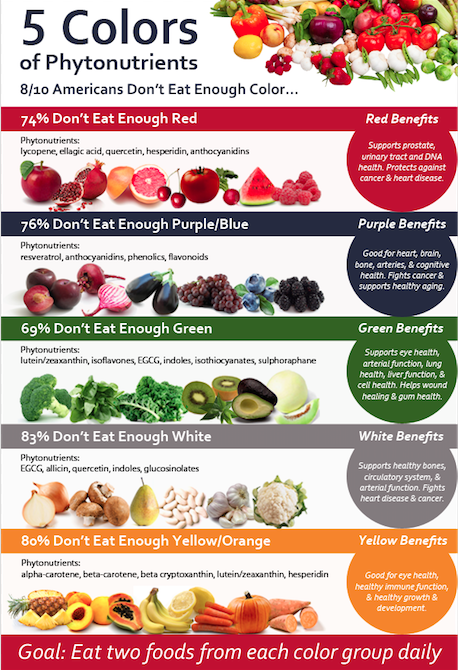
Polyphenols, Phytonutrients and Flavonoids 101: A Category of Their Own (2026)

Image
Besides nutrients, plant-based foods (legumes, vegetables, fruits, whole grains, nuts, seeds, and teas as well as herbs and spices) have another “crop” of naturally occurring compounds with potential health benefits. Collectively they’re called phytonutrients, meaning plant chemicals. “Phyto” means plant. Think fight for “phytos,” since they appear to promote health by sparking body processes that fight, or slow, the development of some diseases. Phytonutrients comprise many different chemicals, including carotenoids, indoles, glucosinolates, organosulfur compounds, phytosterols, polyphenols, and saponins.  Why have phytonutrients captured our attention? Because of their potential for health promotion! Today consumers are more interested in positive nutrition and self-care: adding (not avoiding) foods that may enhance fitness, boost immunity, slow aging, and prevent or slow the chance for chronic disease. Sound like you? Research on phytonutrients is the new frontier in nutrition, ...

Quercetin Dihydrate vs Quercetin Anhydrous vs Quercetin Phytosome: What are the Differences?

Image
Quercetin is a type of flavonoid present in many fruits, vegetables, and grains. It’s one of the most abundant antioxidants in the diet and plays an important role in helping your body combat free radical damage, which is linked to chronic diseases. In addition, its antioxidant properties may help reduce inflammation, allergy symptoms, and blood pressure. Quercetin supplements come in different forms. There are many quercetin forms available out there. Which one is better and which one should you buy?  Quercetin phytosome vs Quercetin dihydrate On its own, quercetin has a low bioavailability, which means your body absorbs it poorly.  That’s why the supplements may include other compounds, such as vitamin C or digestive enzymes like bromelain, as they may increase absorption. Additionally, some research indicates that quercetin has a synergistic effect when combined with other flavonoid supplements, such as resveratrol, genistein, and catechins. A new food-grade lecithin-b...

Quercetin 101: What You Need to Know (2025)

Image
Contents 1. What is Quercetin? 2. Benefits of Quercetin 3. Quercetin Dosage 4. Food Sources of Quercetin 5. Quercetin Supplement Types 6. Quercetin Comparison 7. Quercetin and Other Supplements (Zinc, Bromelain, Vitamin C) 8. What Not To Take With Quercetin 9. Quercetin Side Effects 10. Online Shopping Guide Introduction In this article, we have covered quercetin with more than 200 studies and references that represent the best one-stop resource of science-backed information for quercetin. 1. What is Quercetin? Quercetin is a pigment that belongs to a group of plant compounds called flavonoids (also known as bioflavonoids). Flavonoids are naturally present in fruits, grains, teas, and wine. Researchers have linked flavonoids to a variety of benefits, including a reduced risk of heart disease, cancer, and degenerative brain disorders. When looking for and using quercetin supplements, it’s important to maintain a nutritious, balanced diet with fiber and healthy fats in it, as research sh...