Posts

Showing posts with the label keto diet

Fasting Mimicking Diet (FMD): The Complete Science Guide for 2026

Image
Clinical Quick-Reference Card Protocol Definition: A 5-day, plant-based, low-protein, low-carbohydrate, high-unsaturated-fat dietary regimen engineered to trigger the metabolic and cellular cellular renewal pathways of water fasting without starvation. Standard Caloric Allocation: Day 1: ~1,100 kcal (~11% protein, 46% fat, 43% complex carbs). Days 2–5: ~725–750 kcal (~9% protein, 44% fat, 47% complex carbs). Primary Molecular Triggers: Downregulation of mTOR, IGF-1, and PKA pathways; activation of AMPK, Sirtuins (SIRT1/SIRT3), and autophagy; elevation of circulating beta-hydroxybutyrate (βHB). Landmark Human Findings (Nature Comms, 2024): 3 consecutive monthly cycles resulted in a median biological age reduction of 2.5 years , alongside significant decreases in hepatic fat, fasting insulin, and blood pressure, independent of total weight loss. Medical Oversight Requirement: Mandatory physician clearance for individuals taking ...

Why Keto Can Dramatically Raise LDL While Triglycerides Fall: The Lean Mass Hyper-Responder Phenomenon

Image
Why does LDL cholesterol sometimes rise dramatically on a ketogenic diet while triglycerides fall and HDL cholesterol rises? This is one of the most intriguing and controversial lipid responses associated with very-low-carbohydrate diets. For many people, a ketogenic diet produces a relatively modest change in LDL cholesterol. But a subset—particularly some lean individuals—can experience a much larger increase, occasionally reaching LDL-C levels above 300, 400, or even 500 mg/dL. At the same time, triglycerides may fall dramatically and HDL-C may rise. LDL-C ↑↑↑ Triglycerides ↓↓↓ HDL-C ↑ This combination is commonly referred to in the research literature as the Lean Mass Hyper-Responder (LMHR) phenotype. The phenomenon is important because it challenges the assumption that LDL and triglycerides must always move together. It also raises a difficult clinical question: what does dramatically elevated LDL mean when the individual otherwise appears metabolically healthy?...

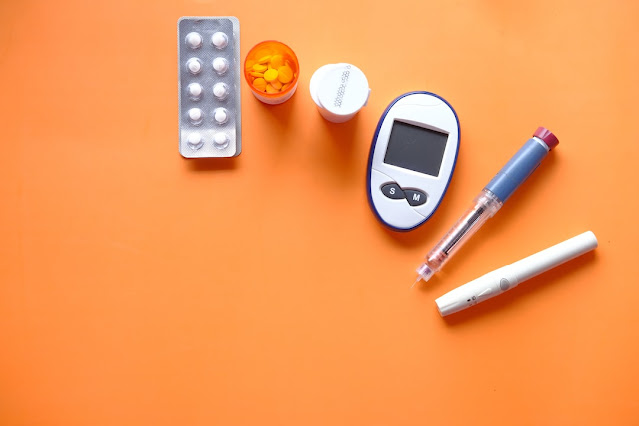
Insulin Resistance Vs Insulin Sensitivity Vs Keto Diet: What Actually Matters for Metabolic Health (2026)

Image
Why This Comparison Matters Insulin resistance, insulin sensitivity, and the ketogenic diet are often discussed together — and frequently confused. Many debates frame keto as either a metabolic cure-all or a dangerous fad, without understanding that  insulin status , not diet ideology, is the central variable. This guide clarifies: What insulin resistance and insulin sensitivity actually mean How the ketogenic diet affects insulin signaling When keto helps, when it doesn’t, and for whom What Is Insulin? Insulin is a hormone produced by the pancreas that allows glucose to enter cells for energy or storage. Beyond blood sugar control, insulin regulates: Fat storage and fat release Protein synthesis Cellular growth signaling Chronically elevated insulin — not glucose alone — is a key driver of metabolic disease. Insulin Sensitivity: The Healthy State Insulin sensitivity  means cells respond efficiently to insulin. Small amounts of insulin effectively move glucose into muscle and ...

6 Natural Ways to Reverse Diabetes Symptoms 2025

Image
Whether you are on the low end of the spectrum with pre-diabetes or higher up the scale with early type 3 diabetes, also known as Alzheimer’s disease, you can take back control of your health. There are natural steps you can take to reverse the symptoms of this group of chronic conditions. 1. Heal Your Gut Nearly 80% of your entire immune system is located in your gut, and your gut wall is only one cell layer thick, connected by a tight junction. Your gut is the foundation of your health! Your gut is naturally semi-permeable, which means these tight junctions open a tiny bit to allow micronutrients in — this is how you absorb nutrients from food.   But when we bombard our gut with inflammatory foods (especially gluten), infections, toxins, and stress, these tight junctions open up, and large molecules that were never meant to get into your bloodstream get in. Gluten is one of the main foods which can not only cause these tight junctions to open but also cause them to...