Posts

Showing posts with the label cancer

Fasting Mimicking Diet (FMD): The Complete Science Guide for 2026

Image
Clinical Quick-Reference Card Protocol Definition: A 5-day, plant-based, low-protein, low-carbohydrate, high-unsaturated-fat dietary regimen engineered to trigger the metabolic and cellular cellular renewal pathways of water fasting without starvation. Standard Caloric Allocation: Day 1: ~1,100 kcal (~11% protein, 46% fat, 43% complex carbs). Days 2–5: ~725–750 kcal (~9% protein, 44% fat, 47% complex carbs). Primary Molecular Triggers: Downregulation of mTOR, IGF-1, and PKA pathways; activation of AMPK, Sirtuins (SIRT1/SIRT3), and autophagy; elevation of circulating beta-hydroxybutyrate (βHB). Landmark Human Findings (Nature Comms, 2024): 3 consecutive monthly cycles resulted in a median biological age reduction of 2.5 years , alongside significant decreases in hepatic fat, fasting insulin, and blood pressure, independent of total weight loss. Medical Oversight Requirement: Mandatory physician clearance for individuals taking ...
Best Anti-Cancer Supplements: Evidence-Based Guide (Updated 2026)

Image
Best Anti-Cancer Supplements (2026): Evidence-Based Guide Cancer prevention and supportive care are areas of intense public interest — and confusion — when it comes to supplements. While many products are marketed as “anti-cancer,” scientific evidence varies widely by nutrient, cancer type, baseline health, and dosage. This 2026 evidence-based guide reviews the most studied supplements for cancer , including emerging data on selenium and pancreatic cancer , and clearly distinguishes: What has supportive evidence What remains unproven What may increase cancer risk Important: Supplements are not cancer treatments and should never replace evidence-based medical care. Some supplements may interfere with chemotherapy, radiation, or immunotherapy. Always consult a qualified clinician. AACR Cancer Progress Report 2023 / 2024 1. Vitamin D3 — Immune Regulation & Cancer Outcomes Vitamin D is one of the most extensively researched nutrients in oncology. Low vitamin D...

CoQ10 and Cancer: Evidence, Mechanisms, Benefits, and Risks (2026 Review)

Image
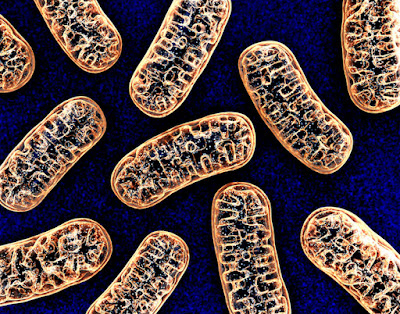
What Is CoQ10? Coenzyme Q10 (CoQ10, ubiquinone/ubiquinol) is a naturally occurring antioxidant involved in mitochondrial energy production. It plays a central role in ATP generation and cellular redox balance. CoQ10 levels tend to decline with: Aging Chronic inflammation Statin use Chemotherapy-related oxidative stress Advanced cancer-associated cachexia and mitochondrial dysfunction Interest in CoQ10 and cancer largely comes from: Its role in mitochondrial metabolism Antioxidant and anti-inflammatory effects Potential cardioprotective effects during chemotherapy Anecdotal and integrative oncology reports Proposed Anti-Cancer Mechanisms 1. Mitochondrial Support Cancer metabolism is increasingly recognized as involving mitochondrial dysfunction alongside glycolysis (“Warburg effect”). CoQ10 may: Improve mitochondrial electron transport Reduce oxidative damage Support normal-cell energy metabolism Potentially improve resilience during treatment This aligns with the broader field of metab...

Coenzyme Q10: A Game Changer for Atrial Fibrillation, NAFLD (non-alcoholic fatty liver disease) and other diseases?

Image
Coenzyme Q10 (CoQ10) is the third-most consumed supplement, yet many people don’t realize how clinically effective it really is. Several new studies show that taking CoQ10 supplements may help address several chronic health conditions, including atrial fibrillation (a-fib), nonalcoholic fatty liver disease (NAFLD), insulin resistance, heart failure, cancer and migraines, to name a few. Ubiquinol — the reduced, electron-rich form of CoQ10 that your body produces naturally — plays an important role in the electron transport chain of your mitochondria, where it facilitates the conversion of energy substrates and oxygen into the biological energy (adenosine triphosphate or ATP) needed by your cells for life, repair and regeneration. It’s a fat-soluble antioxidant, meaning it works in the fat portions of your body, such as your cell membranes, where it mops up potentially harmful byproducts of metabolism known as reactive oxygen species (ROS). As such, ubiquinol and CoQ10 supplements help ...

16 Best Vitamin D3 Supplements of 2026

Image
A. Introduction Vitamin D is a fat-soluble vitamin, which means it dissolves in fats and oils and can be stored in your body’s fatty tissues and liver for extended periods.  Unlike other vitamins, vitamin D acts like a hormone, binding to receptors in nearly every cell. This explains its widespread impact on health. Scientists continue to uncover its wide-ranging effects, with  over 100,000 studies on PubMed since 1964 exploring its benefits . Vitamin D is essential for.. ✅ Calcium absorption – Critical for strong bones and teeth ✅ Muscle function – Helps prevent weakness and cramps ✅ Nerve signaling – Supports brain-body communication ✅ Immune defense – Fights infections and reduces inflammation ✅ Hormone regulation – Influences mood, metabolism, and more Related:  The Vitamin D Paradox : What Most Doctors (and the Internet) Get Wrong (2026) B. What is Vitamin D Good For? by labdoor.com 1. Bone Health Vitamin D plays a crucial role in calcium absorption and bone metab...