Posts

Showing posts with the label flavonoids

6 Best Phytonutrients Supplements: Review 2026

Image
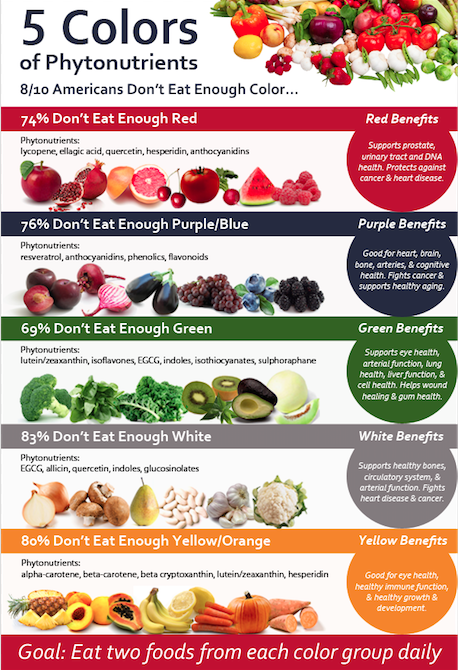
Vitamins, minerals, and macronutrients like proteins, carbs, and fats are not the same as phytonutrients. They can be found in a variety of fruits, vegetables, spices, and even edible flowers.  Phytochemicals serve as pollination attractants or as defenses against pest and insect attacks and other stresses, like as ultraviolet light. Moreover, phytochemicals also contribute to color or aroma of the foods and are recognized to have potential benefits for human health and nutrition. Foods rich in phytochemicals are frequently quite colorful, but these nutrients are also rich in some white foods for example olive oil, onions, and garlic.  Phytonutrients Benefits Some of the important bioactive phytonutrients include polyphenols, terpenoids, resveratrol, flavonoids, isoflavonoids, carotenoids, limonoids, glucosinolates, phytoestrogens, phytosterols, anthocyanins, ω-3 fatty acids, and probiotics. They play specific pharmacological effects in human health such as anti-microbial...
Polyphenols, Phytonutrients and Flavonoids 101: A Category of Their Own (2026)

Image
Besides nutrients, plant-based foods (legumes, vegetables, fruits, whole grains, nuts, seeds, and teas as well as herbs and spices) have another “crop” of naturally occurring compounds with potential health benefits. Collectively they’re called phytonutrients, meaning plant chemicals. “Phyto” means plant. Think fight for “phytos,” since they appear to promote health by sparking body processes that fight, or slow, the development of some diseases. Phytonutrients comprise many different chemicals, including carotenoids, indoles, glucosinolates, organosulfur compounds, phytosterols, polyphenols, and saponins.  Why have phytonutrients captured our attention? Because of their potential for health promotion! Today consumers are more interested in positive nutrition and self-care: adding (not avoiding) foods that may enhance fitness, boost immunity, slow aging, and prevent or slow the chance for chronic disease. Sound like you? Research on phytonutrients is the new frontier in nutrition, ...

Best Fisetin Supplements 2024

Image
Fisetin is a naturally occurring flavonoid, a type of plant pigment found in various fruits and vegetables such as strawberries, apples, grapes, onions, and cucumbers. It is known for its antioxidant properties and potential health benefits. Fisetin Supplement Benefits Antioxidant Properties Fisetin acts as an antioxidant, helping to neutralize harmful free radicals in the body, which may contribute to aging and various diseases. Anti-inflammatory Effects:  Fisetin has anti-inflammatory properties. According to a research , fisetin decreases the expression and secretion of inflammatory cytokines in lipopolysaccharide (LPS)-treated cells. Additionally, it facilitates autophagosome-lysosome fusion and degradation, which is associated with reducing inflammation. These effects are mediated through the inhibition of the PI3K/AKT/mTOR signaling pathway. Brain Health Fisetin may help decrease neurotoxicity and neuro-inflammation, both of which are harmful processes that can contribute to ...

Flavonoid Vs Polyphenol Vs Phytochemical (2023)

Image
Flavonoids, polyphenols, and phytochemicals are terms often used to describe different types of bioactive compounds found in plants, but there is some overlap between them as well.  Flavonoid Vs Polyphenol Vs Phytochemical Phytochemicals cover all bioactive compounds discovered in plants, including  polyphenols like flavonoids as well as other non-polyphenolic substances. Polyphenols are a broader category of compounds that include flavonoids as well as other subgroups, whereas flavonoids are a specific type of polyphenol.  While these terms have distinctions, they are often used interchangeably in casual language and scientific literature due to their close relationship in the context of plant-based compounds and their potential health benefits. Here are the key differences and relationships between these terms: a. Flavonoids Flavonoids are a subgroup of polyphenolic compounds. Flavonoids in food are generally responsible for colour, taste, prevention of fat oxidation, a...

Flavonoids: Benefits and Top Foods 2023

Image
Flavonoids are various compounds found in fruits, vegetables, grains, bark, roots, stems, flowers, tea and wine. There are six different types of flavonoids found in food, and each type is broken down differently by your body. Flavonoids have strong antioxidant properties and can protect your body from environmental pollutants. Increasing the amount of flavonoids in your diet is a terrific approach to support the health of your body and maybe lower your chance of developing some chronic health conditions.   Flavonoids Benefits Flavonoids assist in controlling cellular function and shield our cells from potentially harmful chemicals known as free radicals. Simply put, they make your body work more effectively while safeguarding it against common pollutants and stresses. Flavonoids are also strong antioxidant agents. Your body can be exposed to substances that could be toxic; antioxidants aid in the defense against these compounds. Antioxidants are produced naturally by your body and...