Posts

Showing posts with the label thyroid health

Thyroid Hormones and Wellness: Help, Hype, or Harm?

Image
The modern wellness industry has turned thyroid hormones into a controversial shortcut for weight loss, energy enhancement, “metabolic optimization,” and anti-aging. On social media and in biohacking circles, drugs like Levothyroxine, Liothyronine, and even desiccated thyroid extracts are increasingly discussed beyond their legitimate medical role. But do thyroid hormones actually improve wellness in healthy people? Or are they being oversold in ways that may cause long-term harm? The answer is more nuanced than many online claims suggest. What Thyroid Hormones Actually Do The thyroid gland produces two major hormones: T4 (thyroxine) T3 (triiodothyronine) T4 acts largely as a storage hormone, while T3 is the biologically active form that influences: Metabolism Heart rate Body temperature Brain function Muscle performance Cholesterol regulation Energy production A simplified relationship looks like this: T4 \rightarrow T3 When thyroid hormone levels are too low, people can develop: Fati...

Selenium Counters Thyroid and Intestinal Disease, Alzheimer’s, Parkinson's and Cancer (2026)

Image
Selenium plays a pivotal role in countless metabolic processes. This micronutrient protects the body from environmental pollutants, oxidative stress, and the unwanted side effects of drugs. In fact, the immune system leans on dietary selenium for adequate responses to outside intruders. Low selenium levels cause our physiological systems to suffer. Tissues in the brain and the endocrine system utilize the mineral for proper function. All of us wish for cognitive and hormonal health, pain reduction, and physical improvements—therefore, it is important to understand the effects selenium has on our general well-being. Benefits of Selenium Selenocysteine and selenoproteins are organic forms of selenium present in our bodies. “Selenoproteins act as antioxidant warriors for thyroid regulation, male-fertility enhancement, and anti-inflammatory actions,” according to a review published in the journal Inflammopharmacology. By regulating excess amounts of free radicals at a site of injury, thes...

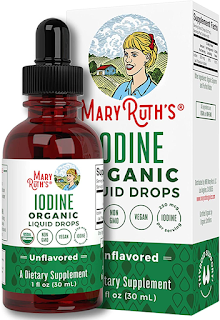
Best Iodine Supplements for Thyroid 2024

Image
The thyroid gland is a tiny, butterfly-shaped gland in the neck that creates hormones that control many functions in the body. These hormones have an impact on vital functions like metabolism, heart rate, body temperature, and others.  If the thyroid gland is not functioning properly, it can lead to many health issues. For instance, hypothyroidism occurs when the thyroid gland does not produce enough thyroid hormones, leading to symptoms such as fatigue, weight gain, and depression. Contrarily, hyperthyroidism develops when the thyroid gland overproduces thyroid hormone, resulting in symptoms like weight loss, anxiety, and fast heartbeat or tachycardia. Problems with the thyroid can be caused by many factors, including iodine deficiency, autoimmune diseases, leading either to hyperthyroidism (caused by Graves’ disease) or hypothyroidism (caused by Hashimoto's disease), inflammation, nodules, or non-cancerous lumps, and many more. If you think you have problems with your thyroid, be...

Graves Disease, an ‘Incurable’ Thyroid Disorder, Cured Through Lifestyle Changes

Graves’ disease (GD), an autoimmune thyroid disease (ATD), is the most common cause of hyperthyroidism, or overproduction of the thyroid-stimulating hormone (TSH).  GD symptoms include heart palpitations, hair loss, nausea, masses in the neck (goiters), skin issues, vision/eye problems, weight loss, moodiness, depression, and gut problems. [i] Common conventional treatments start with anti-thyroid medications such as methimazole and propylthiouracil. Possible side effects of anti-thyroid drugs are skin rash, itching, hives, nausea, vomiting, heartburn, headache, joint or muscle aches, loss of taste, and a metallic taste. Harsher follow-up treatments for 50 percent of patients include radioiodine therapy or surgery. [ii]  These treatments cause hypothyroidism, requiring thyroid medications for life. Although GD is considered to be chronic and incurable, there is new evidence that lifestyle changes may normalize TSH and its autoimmune markers. In a remarkable case study titled ...