The Double-Edged GLP-1 Boom: Record-High Usage, the Medicare Bridge, and the Hidden Catch of "Cheap" Alternatives
Key Executive Insights
- Record Adoption: A landmark July 2026 Gallup poll reveals that 11% of U.S. adults are currently taking GLP-1 drugs for weight loss, driving a historic decline in national obesity to 36.4%.
- Institutional Shift: On July 1, 2026, CMS officially rolled out the Medicare GLP-1 Bridge program, granting qualifying beneficiaries access to tier-1 brand treatments for a low $50 monthly copay.
- The Compounding Dilemma: High commercial retail prices have forced 19% of active users onto non-FDA-approved compounded alternatives, introducing substantial risks regarding dosing, labeling, and structural uniformity.
- The Scientific Trap: New clinical trials demonstrate that an inconsistent, "stop-and-start" pattern due to cost or supply gaps hits a biological "muscle floor"—triggering rapid fat regain and permanently blunting future weight-loss efficacy.
The landscape of metabolic healthcare in the United States has reached an unprecedented tipping point. What originally emerged as a specialized clinical breakthrough for type 2 diabetes has evolved into a profound macroeconomic and societal shift. Driven by the viral popularity and demonstrated efficacy of glucagon-like peptide-1 (GLP-1) receptor agonists, the collective battle against obesity is shifting from an uphill lifestyle struggle to a highly clinical, large-scale medical intervention.
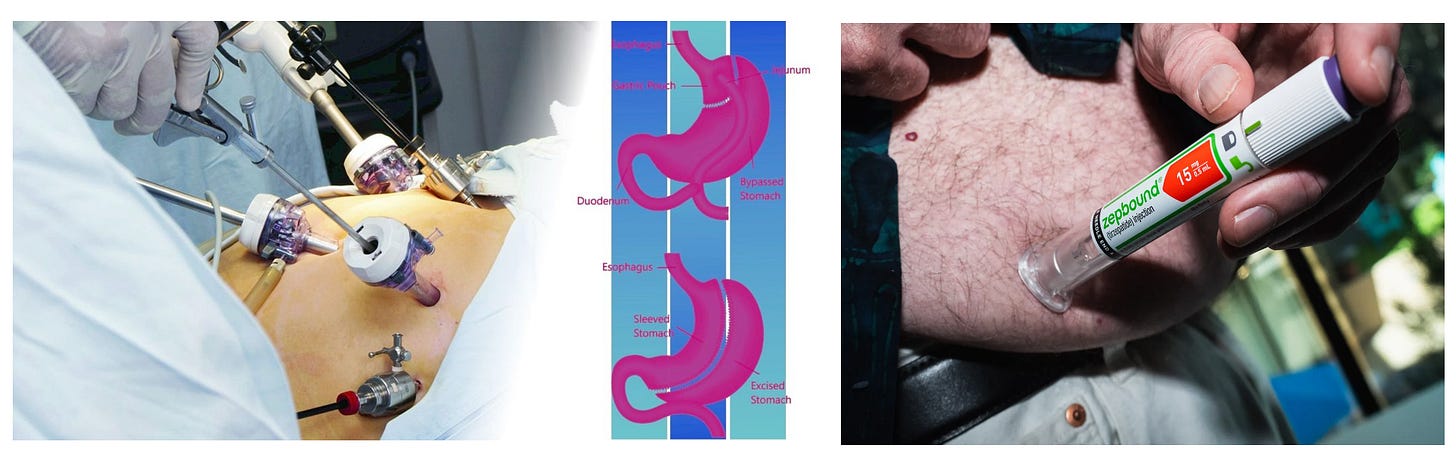
However, this rapid democratization has triggered a deep market paradox. While major federal policy updates are successfully expanding affordable access for select populations, millions of other Americans are simultaneously turning to a booming, loosely audited gray market of cheap compounded alternatives. As advanced clinical data catches up to consumer behavior in mid-2026, a critical biological reality is coming to light: cutting financial corners on GLP-1 consistency can inflict long-lasting, counterproductive damage on baseline metabolic health.
1. Unprecedented Scale: GLP-1 Adoption Curves and the $1 Trillion Milestone
According to a comprehensive dataset released by the Gallup National Health and Well-Being Index on July 7, 2026, the share of American adults currently taking GLP-1 medications specifically for weight loss has climbed to an astonishing 11%. This represents a massive vertical trajectory from a baseline of just 3% reported in 2024. Cumulatively, 15% of U.S. adults report having used a GLP-1 agonist at some point in their health journeys, while general public awareness of these treatments has hit near-saturation at 91%.
This massive swell in adoption is fundamentally reshaping both public health metrics and the broader economy:
- The Falling National Obesity Rate: For the first time in modern medical history, the U.S. adult obesity rate is tracking inversely to pharmaceutical adoption. National obesity has dropped to 36.4% so far in 2026, continuing a steady downward slide from its historic peak of 39.9% in 2022.
- The $1 Trillion Prescription Threshold: Driven heavily by the sheer volume and price points of GLP-1 therapies, the total U.S. prescription drug market is projected to exceed $1 trillion for the first time in history in 2026. GLP-1 medications alone accounted for an eye-watering 14% of all domestic drug expenditures over the past calendar year.
- The Rapid Retail Shift: Delivery mechanisms are quickly adapting to maximize consumer convenience. The commercial rollout of the high-dose Wegovy oral pill in January 2026 netted more than 2 million prescriptions within its initial months, solidifying it as modern history's fastest drug launch.
2. Bridging the Wealth Gap: The Federal Launch of Affordable Medicare Coverage
Historically, the primary barrier to sustainable GLP-1 therapy was structural affordability, with commercial out-of-pocket costs frequently exceeding $1,000 per month due to sweeping insurance exclusions. However, mid-2026 marks a massive structural paradigm shift in institutional healthcare access.
On July 1, 2026, the Centers for Medicare & Medicaid Services (CMS) officially activated the Medicare GLP-1 Bridge program. This short-term demonstration initiative, legislated to run through December 31, 2027, successfully bypasses historical statutory bans on covering weight-loss medications under Medicare Part D. Under this federal framework, participating drug manufacturers have agreed to supply select GLP-1 treatments at a locked net price of $245 per month supply, structured as follows:
| Program Metric | Medicare GLP-1 Bridge Structure (July 2026 – Dec 2027) |
|---|---|
| Total Capped Manufacturer Net Price | $245.00 per monthly supply |
| Beneficiary Out-of-Pocket Copay | $50.00 per month |
| CMS Federal Subsidy Reimbursement | $195.00 per month (paid directly to processor) |
| Mandatory Clinical Criteria | Prior authorization verifying clinical intent for chronic weight reduction alongside established BMI thresholds or metabolic comorbidities. |
This program serves as an immediate transitional vehicle to the broader, long-term BALANCE Model (Better Approaches to Lifestyle and Nutrition for Comprehensive Care), which will steadily mandate expanded baseline Medicaid GLP-1 coverage through 2031.
3. "Cheaper, But There's Just One Problem": The Risks of the Compounded Gray Market
Despite expanding government interventions, vast cross-sections of the working-class population remain entirely uncovered by commercial benefits or federal safety nets. This structural deficit has fueled a multi-million-dollar gray market for custom-formulated alternatives. The July Gallup data uncovers an alarming trend: while brand-name drugs control 68% of current volume, an astonishing 19% of all active GLP-1 users are now utilizing a compounded or custom-mixed version lacking formal FDA approval.
A volatile shift in consumer behavior is currently underway. Among current compounded GLP-1 users, 35% previously relied on a brand-name drug but intentionally chose to switch. When audited on their motivations, 66% cited cost or insurance gaps as the primary catalyst. Interestingly, consumer sentiment toward these custom mixes is highly favorable, with 39% of compounded users rating their medication as "extremely effective" compared to 32% of brand-name users.
However, health policy research groups from the National Academies of Medicine (NAM) and clinical endocrinologists warn that this perceived consumer success masks "just one major problem": profound regulatory and structural inconsistency.
The Structural Risks of Compounded Formulations
Because custom-compounded formulations are assembled under secondary state pharmacy boards rather than strict FDA pre-market validation pipelines, they lack molecular uniformity. Key clinical liabilities include inconsistency in raw peptide sourcing, incorrect labeling, dosage calculation errors by consumers or clinics, and an explosion of direct-to-consumer digital gray sites that completely bypass synchronized clinician video consultations.
4. The Scientific Catch: The "Stop-and-Start" Trap and the "Muscle Floor"
Beyond the immediate dangers of contamination or improper dosing, the financial volatility of shifting between high-cost brand names and cheap, intermittent compounded supply exposes patients to a severe, hidden physiological trap.
A groundbreaking clinical study published by researchers at the Perelman School of Medicine at the University of Pennsylvania in JCI Insight evaluated the long-term metabolic footprint of "stop-and-start" GLP-1 usage. Because more than half of all patients discontinue GLP-1 therapy within 24 months due to cost spikes, insurance shifts, or supply shortages, researchers tracked the exact body-composition outcomes of intermittent cycling.
The biological results present an urgent warning for anyone using inconsistent, budget-driven alternatives:
- Diminishing Weight-Loss Returns: Patient groups on a stop-and-start cycle rapidly regained weight during every "off" period. Crucially, upon restarting the medication, they exhibited a severely blunted metabolic response, failing to ever return to their previous lowest weight. Even after 62 days of subsequent, perfectly consistent use, the intermittent group remained 20% heavier than the group kept on stable, uninterrupted therapy.
- The Catastrophic Shift in Body Composition: Under continuous, medically managed GLP-1 therapy, weight reduction consists of approximately 40% lean muscle mass and 60% adipose fat tissue. However, during the "off" cycles, the weight regained is almost exclusively adipose fat tissue.
- The "Muscle Floor" Blockade: When a patient attempts to restart a GLP-1 after a period of discontinuation, their baseline muscle-to-fat ratio has completely deteriorated. Advanced body-composition monitoring shows that the human body eventually hits a protective "muscle floor." Sensing that it cannot safely afford to lose further lean structural muscle mass, the brain activates an aggressive biological survival signal that actively resists further weight loss—rendering subsequent rounds of the drug fundamentally ineffective.
5. Strategic Guidelines: Safeguarding Your Metabolic Future
The clinical data dictates that the true cost of "cheap" weight-loss shortcuts extends far beyond financial metrics—it can permanently compromise your underlying metabolic efficiency. To safely navigate this rapidly changing pharmaceutical era, patients and providers must adopt a structured approach:
- Prioritize Long-Term Continuity Over Single-Month Costs: Do not initiate a GLP-1 treatment cycle unless a stable, 12-to-24-month financial plan or insurance coverage pathway is firmly secured. Intermittent, fragmented access causes long-term metabolic harm.
- Leverage Institutional Subsidies Safely: Thoroughly investigate the newly activated Medicare GLP-1 Bridge program or commercial manufacturer copay cards, which can safely compress out-of-pocket expenses to a predictable $25–$50 per month for authorized formulations.
- Enforce a Mandatory Lean-Mass Protocol: If on a active GLP-1 regimen, you must aggressively defend against lean tissue degradation. Combine the medication with structured resistance training (minimum 3 days per week) and a high-protein nutritional plan to avoid triggering the protective "muscle floor" in the event of an unexpected supply interruption.
- Demand Verified Clinical Oversight: Steer clear of digital platforms that skip face-to-face or synchronous live video evaluations. Ensure your prescribing physician continually tracks cardiac, metabolic, and lean-tissue metrics.
Medical Disclaimer: This article is synthesized for strategic analysis, search engine documentation, and educational purposes based on national health indicators, government policy shifts, and peer-reviewed medical studies current up to July 2026. It does not constitute formal medical advice, diagnosis, or treatment. Consult a licensed endocrinology or obesity medicine specialist prior to adjusting or initiating any prescription medication regimen.
References:
- https://www.theepochtimes.com/health/glp-1s-are-cheaper-but-theres-just-1-problem-6055555.
- https://www.theepochtimes.com/us/use-of-glp-1-weight-loss-drugs-in-us-hits-record-high-6058442.
Clinical Weight Management Portal
Evidence-Based Weight Optimization & Incretin Profiling (2026 Guidelines)
Find & Compare Therapeutic Profiles
Filter treatments based on your personal lifestyle preferences and clinical priorities:
Lean Muscle Preservation Architect
Rapid weight management can cause the body to pull energy from lean tissue. Input your current weight below to compute the clinical targets needed to maintain a healthy 3:1 fat loss to lean-mass loss ratio.
Daily Protein Architecture
Consuming 1.2 to 1.5 grams of protein per kilogram helps sustain your body's muscle protein synthesis while in a caloric deficit.
Target Hydration Blueprint
Incretin-based therapies frequently dampen natural thirst signals. Aim for a steady intake to protect baseline kidney health.
Maintain a 3:1 ratio of fat loss to lean-mass loss. Always incorporate structural resistance training at least twice a week alongside your calculated macro markers to signal muscle tissue preservation.
Prior Authorization (PA) Insurance Navigation
Securing coverage for advanced weight management treatments requires specific documentation. Work through this interactive checklist with your primary care provider:

.png)


.png)
.jpg)


Comments