Preventing Alzheimer’s Disease and Dementia in 2026: An Evidence-Based Review of Lifestyle, Supplements, Biomarkers, and Metabolic Health
Clinical focus: Alzheimer’s disease prevention, dementia risk reduction, multidomain lifestyle intervention, p-tau217 blood biomarkers, metabolic health, GLP-1 receptor agonists, SGLT2 inhibitors, and dietary supplements.
Abstract
Background: Alzheimer’s disease (AD) is a multifactorial neurodegenerative disorder in which age, genetics, vascular disease, metabolic dysfunction, hearing loss, physical inactivity, depression, social isolation and other modifiable factors contribute to risk. The prevention landscape has changed substantially since this article was first published in 2022.
Objective: To update the evidence concerning practical strategies for reducing dementia risk, with particular attention to multidomain lifestyle interventions, nutritional adequacy, dietary supplements, blood-based biomarkers and emerging metabolic therapies.
Methods: This narrative evidence review incorporates randomized controlled trials, systematic reviews, meta-analyses, major clinical studies, regulatory information and authoritative guidance available through August 2026. Greater weight was given to randomized trials and clinical practice evidence than to observational, mechanistic or laboratory findings.
Results: The strongest prevention signal remains multidomain risk-factor modification. The 2025 U.S. POINTER randomized clinical trial demonstrated that structured exercise, MIND-style dietary improvement, cognitive and social engagement, and cardiovascular-health monitoring produced greater improvement in global cognition than a lower-intensity self-guided intervention over two years. Blood-based biomarkers, particularly plasma p-tau217, are rapidly moving Alzheimer’s evaluation earlier in the disease continuum. The FDA cleared the first blood test incorporating p-tau217 for aiding Alzheimer’s diagnosis in symptomatic adults in 2025. In 2026, new research suggested that elevated p-tau217 may also identify cognitively healthy individuals at substantially higher future risk, although predictive testing in asymptomatic people is not yet established as routine preventive care. GLP-1 receptor agonists and SGLT2 inhibitors remain promising metabolic-health signals, but their role in primary Alzheimer’s prevention is not established. Large clinical trials are essential.
Conclusions: Alzheimer’s prevention should not be reduced to a supplement stack. The most defensible strategy is a comprehensive brain-health program addressing physical activity, diet quality, blood pressure, diabetes and metabolic health, smoking, alcohol, hearing, sleep, social connection and cognitive activity. Supplements should primarily correct deficiencies or address specific nutritional needs rather than substitute for evidence-based lifestyle or medical care.
1. Introduction
2. Methods
3. Results
4. Multidomain Lifestyle Prevention
5. p-tau217 and Blood-Based Biomarkers
6. Metabolic Health, GLP-1 and SGLT2
7. Supplement Evidence Review
8. Diet and Brain Health
9. Sleep, Hearing, Exercise and Vascular Health
10. Discussion
11. Limitations
12. Conclusion
13. Frequently Asked Questions
14. Selected References
1. Introduction
Dementia is not an inevitable consequence of aging. Although increasing age and genetic susceptibility remain important determinants of Alzheimer’s disease, a substantial proportion of dementia risk is associated with potentially modifiable factors.
The prevention field has also matured. Earlier discussions frequently focused on individual supplements, antioxidants or single “anti-Alzheimer’s” nutrients. Current evidence increasingly supports a systems approach involving cardiovascular health, metabolic health, exercise, nutrition, sleep, hearing, social engagement and cognitive stimulation.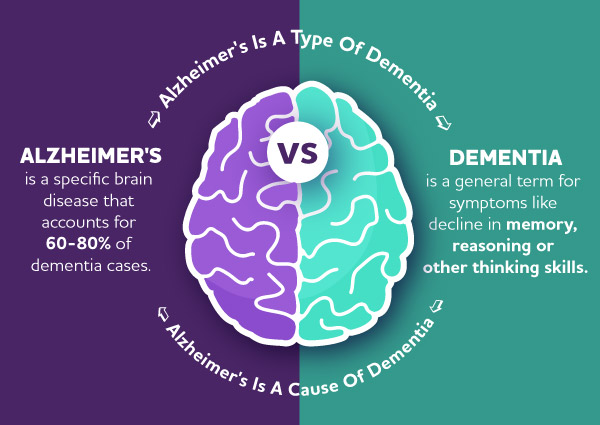
This shift was reinforced by the U.S. POINTER randomized clinical trial, which enrolled 2,111 older adults at elevated risk for cognitive decline. Both intervention groups improved cognition, but the structured multidomain program produced a statistically greater improvement than the self-guided program over two years.
At the same time, Alzheimer’s diagnostics are moving toward biology-based assessment. Plasma phosphorylated tau 217 (p-tau217) has emerged as one of the most informative blood biomarkers for Alzheimer’s pathology, while new research is examining whether it can identify high-risk individuals before symptoms develop.
2. Methods
2.1 Evidence hierarchy
Evidence was interpreted using the following hierarchy:
- Tier 1 — Highest confidence: large randomized controlled trials, regulatory decisions and well-conducted systematic reviews/meta-analyses.
- Tier 2 — Moderate confidence: prospective cohorts, smaller randomized trials and replicated observational findings.
- Tier 3 — Preliminary: mechanistic studies, animal research, exploratory clinical studies and post-hoc analyses.
- Tier 4 — Hypothesis-generating: laboratory experiments, anecdotal reports and theoretical mechanisms without meaningful clinical validation.
A mechanistically attractive intervention was not classified as an effective Alzheimer’s prevention strategy unless human clinical evidence supported that conclusion.
3. Results
3.1 The strongest evidence is multidomain prevention
The most important 2026 update is the strengthening of evidence for multidomain intervention.
In U.S. POINTER, participants were 60–79 years old, sedentary, had suboptimal dietary patterns and had additional risk characteristics. The structured intervention combined moderate-to-high intensity physical activity, MIND diet adherence, cognitive challenge, social engagement and cardiovascular-health monitoring.
After two years, global cognitive function improved in both groups, but the structured intervention produced a greater annual improvement: approximately 0.243 standard deviations versus 0.213 standard deviations in the self-guided group, with a between-group difference of 0.029 SD/year (95% CI 0.008–0.050; P=.008).
Importantly, the study was not powered to prove prevention of dementia itself. Therefore, it should not be interpreted as evidence that a lifestyle program definitively prevents Alzheimer’s disease. It demonstrates improvement in cognitive trajectory over two years.
4. Multidomain Lifestyle Prevention
4.1 Exercise
Regular physical activity is one of the most consistently supported modifiable strategies for brain health.
A practical target is to accumulate regular aerobic activity, supplemented by resistance training, balance work and daily movement. The exact optimal dose for Alzheimer’s prevention remains uncertain.
The important lesson from U.S. POINTER is that structure, accountability and adherence may matter as much as the individual components.
4.2 Mediterranean/MIND-style dietary pattern
The evidence supports a dietary pattern emphasizing:
- vegetables, particularly leafy greens;
- berries and other minimally processed fruits;
- legumes;
- nuts and seeds;
- whole grains;
- extra-virgin olive oil and other unsaturated fats;
- fish and other nutrient-dense protein sources;
- limited ultra-processed foods;
- limited added sugar;
- minimal processed meat; and
- moderate or minimal alcohol.
Rather than searching for a single “Alzheimer’s food,” the strongest nutritional approach is to improve the overall dietary pattern.
4.3 Blood pressure and vascular health
Brain health and cardiovascular health are closely interconnected. Hypertension, diabetes, obesity, smoking and other vascular risk factors can contribute to cerebrovascular injury and cognitive decline.
Accordingly, blood pressure, lipid disorders, diabetes and other cardiovascular risk factors should be actively managed with evidence-based medical care.
4.4 Hearing
Hearing loss has become an important dementia-prevention target. Addressing clinically significant hearing impairment may improve communication, social engagement and cognitive function and may reduce downstream risk.
4.5 Sleep
Sleep quality is another potentially modifiable component. Persistent insomnia, fragmented sleep or suspected obstructive sleep apnea should be evaluated clinically rather than treated solely with supplements.
4.6 Cognitive and social activity
Continued learning, cognitively challenging activities, social interaction and meaningful engagement may contribute to cognitive reserve. U.S. POINTER incorporated both cognitive and social challenge as part of its multidomain intervention.
5. p-tau217 and the New Era of Blood-Based Alzheimer’s Biomarkers
5.1 What is p-tau217?
Phosphorylated tau at threonine 217, or p-tau217, is a blood biomarker associated with Alzheimer’s disease pathology. It has demonstrated high diagnostic performance and is increasingly being incorporated into biomarker-based diagnostic pathways.
In May 2025, the U.S. Food and Drug Administration cleared the Lumipulse G pTau217/β-Amyloid 1-42 Plasma Ratio as the first blood-based in-vitro diagnostic device cleared to aid Alzheimer’s diagnosis in adults aged 55 years and older who have signs and symptoms of the disease.
5.2 The 2026 development: prediction before symptoms
AAIC 2026 data published alongside the conference suggested that p-tau217 may have predictive value even among cognitively healthy older adults.
Individuals with very high p-tau217 levels had an estimated 78% probability of developing cognitive impairment over 10 years in the reported cohort, with approximately a one-in-three probability within five years. The association was particularly strong in people with elevated amyloid burden.
The potential significance is enormous: if reliable biomarkers identify biological Alzheimer’s disease years before symptoms, prevention trials can potentially enroll higher-risk participants earlier in the disease process.
6. Metabolic Health, GLP-1 Receptor Agonists and SGLT2 Inhibitors
6.1 Why metabolism matters
Insulin resistance, type 2 diabetes, obesity, vascular dysfunction and impaired glucose metabolism are associated with increased dementia risk. This has generated interest in medications that influence systemic and potentially brain metabolism.
6.2 GLP-1 receptor agonists
GLP-1 receptor agonists generated substantial interest because observational studies have associated their use with lower dementia risk and because GLP-1 signaling influences glucose metabolism, inflammation and other biological pathways relevant to neurodegeneration.
However, 2026 brought an important caution to the field. Two large phase 3 trials, EVOKE and EVOKE+, tested oral semaglutide in people with early symptomatic Alzheimer’s disease. The trials were randomized, double-blind, placebo-controlled studies conducted across 566 sites in 40 countries.
These results are important because they test the hypothesis directly rather than relying solely on epidemiology. They also demonstrate why a plausible metabolic mechanism should not automatically be translated into a recommendation to use GLP-1 drugs for Alzheimer’s prevention.
6.3 SGLT2 inhibitors
SGLT2 inhibitors are another intriguing metabolic-health signal. Observational studies and meta-analyses have reported associations between SGLT2 inhibitor use and lower dementia incidence among people with type 2 diabetes. A 2026 meta-analysis similarly reported a significant association with reduced incident dementia.
However, observational evidence can be affected by confounding, treatment selection, differences in diabetes control and healthcare utilization. SGLT2 inhibitors should therefore be prescribed according to established indications—not as unproven Alzheimer’s-prevention drugs.
6.4 PROTECT-Cog: the next-generation prevention experiment
In July 2026, the Alzheimer’s Association announced PROTECT-Cog, a $100 million global clinical trial designed to test whether a multidomain lifestyle intervention based on U.S. POINTER can be combined with a metabolism-targeting drug such as a GLP-1 agonist to reduce the risk of cognitive decline, mild cognitive impairment and dementia in at-risk older adults.
This is arguably one of the most important prevention developments of 2026 because it moves the field from two separate hypotheses—lifestyle prevention and metabolic pharmacology—toward a direct test of combination prevention.
7. Supplement Evidence Review
The original article placed substantial emphasis on natural supplements. The evidence needs to be substantially reframed in 2026.
No dietary supplement has been proven to prevent Alzheimer’s disease in healthy people. The National Institute on Aging and NCCIH continue to emphasize the limited and inconsistent evidence for supplements as dementia-prevention interventions.
Vitamin B12, Folate and B6 — Correct Deficiency
Evidence grade: Moderate for correcting deficiency; insufficient for universal Alzheimer’s prevention.
B vitamins are biologically important for neurological function and homocysteine metabolism. Deficiency, particularly B12 deficiency, can produce neurological and cognitive symptoms and should be identified and treated.
However, lowering homocysteine does not automatically establish that high-dose B-vitamin supplementation prevents Alzheimer’s disease in everyone.
Best use: test and correct nutritional deficiency or clinically relevant insufficiency rather than taking megadoses indiscriminately.
Vitamin D
Evidence grade: Moderate for correcting deficiency; insufficient for routine dementia prevention.
Low vitamin D status is associated with adverse health outcomes, including cognitive decline in observational research. However, association does not prove that supplementation prevents Alzheimer’s disease.
Best use: correct documented deficiency or inadequate intake according to clinical guidance.
Omega-3 Fatty Acids / DHA
Evidence grade: Low-to-moderate for dietary association; insufficient for routine supplement-based prevention.
Fish consumption is consistently associated with favorable brain and cardiovascular outcomes. Randomized trials of omega-3 supplements, however, have not established a clear dementia-prevention effect.
Importantly, a 2026 randomized trial investigated high-dose DHA in older adults at risk for dementia and examined central nervous system target engagement. Such studies are scientifically valuable, but target engagement should not be confused with proven prevention of Alzheimer’s disease.
Magnesium
Evidence grade: Low.
Magnesium is essential for normal neurological and metabolic function, and observational research has linked magnesium status with cognitive outcomes. There is currently insufficient evidence to recommend magnesium supplementation specifically to prevent Alzheimer’s disease.
Supplementation is most rational when dietary intake is inadequate or deficiency is present.
Vitamin E
Evidence grade: Insufficient for prevention.
Vitamin E has antioxidant and neurological roles, but supplementation has not established a reliable primary-prevention effect for Alzheimer’s disease. High-dose supplementation can also have adverse effects and drug interactions.
Ginkgo biloba
Evidence grade: Low / negative for prevention.
Despite extensive marketing, randomized research has not demonstrated conclusive prevention of dementia with ginkgo. NCCIH states that there is no conclusive evidence that ginkgo prevents or slows dementia or cognitive decline.
Curcumin
Evidence grade: Insufficient.
Curcumin has anti-inflammatory and antioxidant effects in laboratory models, but laboratory activity does not establish prevention of Alzheimer’s disease in humans. Bioavailability, formulation and dosing also vary considerably among products.
Green Tea / EGCG
Evidence grade: Preliminary.
Tea consumption has epidemiological associations with cognitive health and green tea contains catechins including EGCG. Small clinical studies have produced interesting findings, but evidence remains insufficient to recommend concentrated EGCG supplements for Alzheimer’s prevention.
NAD+ Precursors: NR, NMN and Niacinamide
Evidence grade: Experimental.
NAD+ metabolism is an active area of aging research. Nicotinamide riboside and related compounds can alter NAD-related biomarkers, but this does not demonstrate prevention or treatment of Alzheimer’s disease.
High-dose nicotinamide or other NAD-directed interventions should not be promoted as established Alzheimer’s therapies without clinical evidence.
MCT Oil and Ketones
Evidence grade: Preliminary.
Because glucose metabolism can become impaired in Alzheimer’s disease, ketones have been investigated as an alternative cerebral energy substrate. Small studies of medium-chain triglycerides and ketogenic interventions are biologically interesting, but clinical evidence remains insufficient to conclude that MCT supplementation prevents Alzheimer’s disease.
7.1 What should a supplement strategy look like?
A rational 2026 approach is deficiency-first supplementation rather than a large “anti-Alzheimer’s stack.”
- Correct vitamin B12 deficiency.
- Correct folate deficiency where clinically appropriate.
- Correct vitamin D deficiency when present.
- Ensure adequate dietary omega-3 intake, preferably through food.
- Address inadequate magnesium intake primarily through diet.
- Use supplements selectively when diet, laboratory testing or medical circumstances justify them.
- Avoid megadoses and complex supplement combinations without medical review.
NCCIH emphasizes that direct evidence showing supplements prevent Alzheimer’s disease or dementia remains lacking.
8. Diet and Brain Health
The strongest dietary strategy is not a single nutrient but an overall dietary pattern.
A Mediterranean/MIND-style pattern emphasizes plant foods, legumes, nuts, whole grains, fish and unsaturated fats while reducing highly processed foods, refined carbohydrates and processed meats.
NIA notes that research has linked dietary patterns and foods such as fish with cognitive health, but also emphasizes that evidence for individual supplements remains limited.
8.1 What about intermittent fasting?
Time-restricted eating and intermittent fasting are biologically interesting because they may influence insulin sensitivity, metabolic flexibility, circadian biology and autophagy. However, direct evidence that fasting prevents Alzheimer’s disease in humans remains insufficient.
A practical overnight fasting interval may be reasonable for many healthy adults, but prolonged fasting is not required for dementia prevention and may be inappropriate for people taking glucose-lowering medications or those with specific medical conditions.
9. Sleep, Hearing, Exercise and Vascular Health
A prevention program should address the following modifiable domains:
- Exercise: regular aerobic activity plus resistance and balance training.
- Blood pressure: monitor and treat hypertension.
- Metabolic health: prevent and manage type 2 diabetes and obesity.
- Smoking: do not smoke.
- Alcohol: minimize consumption; avoid heavy drinking.
- Hearing: identify and appropriately manage hearing loss.
- Sleep: evaluate persistent insomnia and suspected sleep apnea.
- Diet: emphasize Mediterranean/MIND-style eating patterns.
- Social engagement: maintain meaningful relationships and activities.
- Cognitive stimulation: continue learning and mentally challenging activities.
- Depression: obtain appropriate assessment and treatment.
- Head injury: reduce preventable traumatic brain injury.
- Air pollution: minimize exposure where practical.
The 2024 Lancet Commission update identified multiple potentially modifiable dementia risk factors, reinforcing the concept that prevention requires action across the life course rather than reliance on a single intervention.
10. Discussion
10.1 The prevention paradigm is changing
Three major developments define the 2025–2026 Alzheimer’s prevention landscape.
First, prevention is becoming multidomain. U.S. POINTER provides randomized evidence that a structured combination of exercise, diet, cognitive/social engagement and cardiovascular monitoring can improve cognitive outcomes in at-risk older adults.
Second, Alzheimer’s biology is becoming measurable earlier. p-tau217 and other blood-based biomarkers are reducing reliance on PET and cerebrospinal-fluid testing for appropriate diagnostic situations. The FDA’s 2025 clearance of a p-tau217/amyloid blood test represents a major milestone.
Third, metabolic medicine is entering prevention research. GLP-1 receptor agonists and SGLT2 inhibitors have generated encouraging epidemiological signals, but the critical question is whether these associations translate into clinically meaningful dementia prevention. PROTECT-Cog is designed to test this combination directly.
10.2 What has not been established
It is important not to overinterpret the rapidly expanding research.
- p-tau217 does not guarantee future Alzheimer’s disease.
- A blood biomarker is not itself a treatment.
- GLP-1 drugs are not currently established Alzheimer’s-prevention medications.
- SGLT2 inhibitors should not be prescribed solely to prevent dementia.
- No supplement has been proven to prevent Alzheimer’s disease.
- Antioxidant mechanisms do not automatically translate into clinical benefit.
- Animal studies cannot establish human dementia prevention.
- Observational associations cannot establish that a drug or supplement causes lower dementia risk.
11. Limitations
This article is a narrative evidence review rather than a formal systematic review or meta-analysis. The literature is rapidly evolving, particularly in the areas of blood-based biomarkers and metabolic therapies.
Many supplement studies are limited by small sample sizes, short follow-up periods, heterogeneous formulations and inconsistent cognitive endpoints. Observational medication studies are also susceptible to residual confounding.
U.S. POINTER demonstrated cognitive improvement but was not designed or powered to prove reduction in incident dementia.
12. Conclusion
There is no single supplement, food, drug or “brain detox” protocol that has been proven to prevent Alzheimer’s disease.
The strongest evidence supports a comprehensive approach that begins with modifiable risk factors: regular exercise, healthy dietary patterns, cardiovascular-risk management, metabolic health, adequate sleep, hearing care, cognitive stimulation, social engagement, smoking cessation and avoidance of excessive alcohol.
The 2026 landscape adds two powerful new concepts: biological early detection and combination prevention.
p-tau217 is rapidly becoming an important clinical biomarker for Alzheimer’s pathology, while new research suggests it may eventually help identify high-risk individuals before symptoms emerge. Meanwhile, PROTECT-Cog is testing whether lifestyle intervention can be enhanced by metabolism-targeting medication.
Supplements remain secondary. They are most defensible when they correct a deficiency, address a documented nutritional gap or have another established medical indication. They should not displace proven lifestyle interventions or appropriate medical care.
Move more + eat well + control blood pressure + optimize metabolic health + don't smoke + minimize alcohol + protect hearing + sleep well + stay socially and cognitively active + correct nutritional deficiencies + use biomarkers appropriately.
13. Frequently Asked Questions
Can Alzheimer’s disease be prevented?
It cannot currently be guaranteed that Alzheimer’s disease can be prevented. However, substantial evidence indicates that multiple modifiable risk factors can be addressed to reduce dementia risk or improve cognitive health.
What is the strongest evidence for preventing dementia in 2026?
Multidomain risk-factor intervention has some of the strongest evidence. U.S. POINTER found that a structured program combining exercise, MIND diet adherence, cognitive/social engagement and cardiovascular monitoring improved global cognition more than a lower-intensity self-guided program over two years.
Is p-tau217 a test for Alzheimer’s?
p-tau217 is a highly promising blood biomarker associated with Alzheimer’s pathology. The FDA cleared a p-tau217/amyloid blood test in 2025 to aid diagnosis in symptomatic adults. Its use for predicting disease in completely asymptomatic individuals remains an evolving research area.
Should healthy people get a p-tau217 test?
Not routinely based solely on the emerging predictive research. A high p-tau217 result does not mean that an individual will definitely develop dementia, and there are important questions about how predictive information should change treatment in people without symptoms.
Can GLP-1 drugs prevent Alzheimer’s?
Not yet established. GLP-1 receptor agonists have generated promising epidemiological and mechanistic signals, but direct clinical evidence is still developing. The 2026 EVOKE and EVOKE+ phase 3 trials provide important direct evidence regarding semaglutide in early symptomatic Alzheimer’s disease, while PROTECT-Cog is testing a GLP-1-based strategy combined with lifestyle intervention for prevention.
Do SGLT2 inhibitors prevent dementia?
Observational studies and meta-analyses have reported lower dementia risk among some SGLT2 inhibitor users with diabetes. However, this is not sufficient to recommend these drugs solely for dementia prevention. Randomized prevention trials are needed.
What is the best supplement for Alzheimer’s prevention?
No supplement has been proven to prevent Alzheimer’s disease. The most evidence-based supplement strategy is to correct genuine nutritional deficiencies, particularly B12 or vitamin D deficiency, rather than taking large doses of multiple supplements.
Does omega-3 prevent Alzheimer’s?
Eating fish as part of a healthy dietary pattern is associated with brain and cardiovascular health, but randomized trials have not established that omega-3 supplements prevent Alzheimer’s disease.
Does ginkgo prevent dementia?
No convincing evidence currently demonstrates that ginkgo biloba prevents or slows dementia.
Is the MIND diet still recommended?
The MIND diet remains an important research-based dietary pattern, particularly because U.S. POINTER incorporated MIND-style dietary improvement within a successful multidomain intervention. It should be viewed as one component of a broader brain-health strategy rather than a guaranteed Alzheimer’s-prevention diet.
Selected References
- Baker LD, Espeland MA, Whitmer RA, et al. Structured vs Self-Guided Multidomain Lifestyle Interventions for Global Cognitive Function: The U.S. POINTER Randomized Clinical Trial. JAMA. 2025;334:681–691. doi:10.1001/jama.2025.12923.
- U.S. Food and Drug Administration. FDA Clears First Blood Test Used in Diagnosing Alzheimer’s Disease. May 16, 2025.
- Alzheimer’s Association. U.S. POINTER Study Results. 2025.
- Cummings JL, Atri A, Sano M, et al. Efficacy and safety of oral semaglutide 14 mg in early-stage symptomatic Alzheimer’s disease: EVOKE and EVOKE+. The Lancet. 2026;407:2167–2179.
- Alzheimer’s Association. PROTECT-Cog Study announcement. July 13, 2026.
- Alzheimer’s Association. 2026 research on plasma p-tau217 and future cognitive risk. July 2026.
- National Institute on Aging. What Do We Know About Diet and Prevention of Alzheimer’s Disease?
- National Center for Complementary and Integrative Health. Dietary Supplements and Cognitive Function, Dementia, and Alzheimer’s Disease.
- National Institute on Aging. Non-pharmacological interventions and lifestyle research.
- Recent 2026 meta-analysis of SGLT2 inhibitor use and incident dementia in people with type 2 diabetes.
Medical disclaimer: This article is an educational evidence review and is not individual medical advice. Alzheimer’s disease, mild cognitive impairment, diabetes, hypertension and other medical conditions require individualized assessment. Do not start prescription medicines or high-dose supplements for dementia prevention without discussing the risks, benefits and alternatives with a qualified healthcare professional.
Editorial note: This page substantially replaces the original 2022 supplement-centric framework with a 2026 evidence hierarchy. Mechanistic, observational and anecdotal evidence is intentionally separated from randomized clinical evidence.
.png)

.png)


.jpg)


Comments