NAC vs NAD vs NR vs NMN vs Niacin: What Are the Differences?
By the One Day MD Editorial Team | Originally published September 2020 | Last updated and medically fact-checked: July 26, 2026
NAD, NAD+, NADH, NR, NMN, niacin, niacinamide, and NAC — these overlapping names cause constant confusion, and understandably so. Some are simply different names for the same molecule. Others are metabolic precursors that your body converts, step by step, into NAD+. One of them, NAC, isn't related to NAD+ metabolism at all. This guide breaks down what each compound actually does, how the human evidence stacks up as of 2026, and where the real safety trade-offs lie — including the January 2026 head-to-head human trial that finally pitted NR against NMN directly, and the FDA's 2025 reversal on NMN's legal status.
Quick Answer
NAD+ is the coenzyme your cells actually need for energy production and DNA repair, and it can't be taken as an oral supplement because it's too large a molecule to survive digestion intact. NR, NMN, niacin, and niacinamide are the four vitamin-B3-related molecules the body converts into NAD+, each via a different route. NAC is a separate compound entirely — it replenishes glutathione, not NAD+. As of 2026, a head-to-head human trial found NR and NMN equally effective at doubling blood NAD+ over two weeks, while niacinamide's effect faded quickly. NMN was confirmed legal as a US dietary supplement by the FDA in late 2025. NAC's safety for long-term use in anyone with active cancer or a cancer history remains genuinely uncertain.
At a Glance: How the Five Compare
| Compound | What It Is | Path to NAD+ | Best Known For | Key Caution |
|---|---|---|---|---|
| NAD+ / NADH | The coenzyme itself | Is the end product | Energy metabolism, DNA repair, sirtuin activation | Too large to absorb orally; IV dosing can spike levels abnormally |
| NR (nicotinamide riboside) | Vitamin B3-family precursor | NR → NMN → NAD+ | ChromaDex's Niagen/Tru Niagen; no flushing | No lifespan extension in the mouse ITP study |
| NMN (nicotinamide mononucleotide) | Vitamin B3-family nucleotide | NMN → NAD+ directly | FDA-confirmed legal US supplement (Sept 2025) | Widespread product-quality and underdosing issues |
| Niacin (nicotinic acid) | Original vitamin B3 | Preiss-Handler pathway | Historic cholesterol-lowering agent | Flushing; hepatotoxicity (sustained-release); no cardiovascular-mortality benefit; macular edema at high doses |
| Niacinamide (nicotinamide) | Vitamin B3 amide form | Salvage pathway, upstream of NMN | No flushing | May inhibit sirtuins at high doses |
| NAC (N-acetylcysteine) | Amino acid derivative | Not a NAD+ precursor — feeds glutathione instead | Mucolytic; liver protectant; glutathione precursor | Preclinical signal for promoting tumor metastasis; avoid long-term use without medical guidance if you have a cancer history |
Contents
- What Is NAD+, and Why Can't You Just Take It?
- The Study That Settled the NR vs. NMN Debate (January 2026)
- NAC (N-Acetylcysteine): Benefits and the Cancer Caution
- Niacin (Vitamin B3 / Nicotinic Acid)
- Niacinamide vs. Niacin
- NR (Nicotinamide Riboside)
- NMN (Nicotinamide Mononucleotide) and Its 2025 FDA Reversal
- NR vs. NMN: The Transporter Debate, Storage, and Stacking
- How to Support NAD+ Levels Naturally
- Evidence Tier Summary
- Key Takeaways
- Frequently Asked Questions
- Personalize This Guide With AI
What Is NAD+, and Why Can't You Just Take It?
NAD (nicotinamide adenine dinucleotide) is a coenzyme found in every living cell, where it plays a central role in energy production, DNA repair, and dozens of other metabolic reactions. It exists in two interconverting forms — NAD+ and NADH — and its ability to shuttle back and forth between them is exactly what lets it carry electrons from one reaction to another during metabolism. "NAD" is often used as shorthand for both forms collectively; the "+" simply indicates the oxidized form is missing an electron.
NAD+ is a substrate for several important enzymes, including PARP (poly-ADP-ribose polymerase) and SIRT1, a well-studied longevity-linked sirtuin protein. NAD+ levels are higher in younger tissue and decline with age — a pattern that's been linked to neurodegenerative disease, muscle disorders, metabolic dysfunction, and long COVID. A 2021 study in Cell Reports found that NAD+ helps block the amyloid-like protein aggregates that drive age-related muscle deterioration, adding mechanistic weight to why NAD+ decline matters physically, not just theoretically (R).
Interest in NAD+ restoration accelerated after a high-profile 2013 paper from Harvard's David Sinclair and colleagues reported that NMN injections restored youthful mitochondrial function in aged mouse muscle within a week (R). That finding — alongside earlier rodent work showing NR supplementation protected mice on high-fat diets from excess weight gain and diabetes markers (R) — is what launched the modern NAD+ supplement industry. It's worth noting these were animal studies; the human evidence discussed below has only caught up in the years since.
Given that the entire point of NR and NMN supplementation is to raise NAD+, a reasonable question is: why not just take NAD+ itself? The problem is size — NAD+ is a large molecule that gets broken down in the digestive tract before it can be absorbed intact. It can be delivered intravenously, and some clinics offer IV NAD+ infusions, but this bypasses the gut entirely and can cause sudden, very high blood spikes. Excessive NAD+ may itself cause problems, including reductive stress (R). Occasional infusions also don't match how the body actually needs NAD+ — consistently, not in spikes — which is the practical case for a daily oral precursor instead.

The Study That Advanced the NR vs. NMN Debate (January 2026)
What's new: Until January 2026, no human trial had ever compared NR, NMN, and niacinamide head-to-head in the same study. That changed with a trial from Nestlé Health Science researchers published in Nature Metabolism.
Researchers gave 65 healthy adults (average age 34.7) either 1 gram of NR, 1 gram of NMN, 0.5 grams of niacinamide, or a placebo daily for 14 days. NR and NMN each roughly doubled circulating NAD+ by day 14, while niacinamide showed no significant sustained effect — it only produced a brief spike in blood NAD+ measured four hours after a single dose, which then faded (Nature 2026).
The mechanism turned out to be more interesting than expected. Rather than being absorbed and used directly, NR and NMN appear to be metabolized by gut bacteria into nicotinic acid (NA) — the same potent NAD+ booster found in niacin — which is what actually drives the sustained rise in blood NAD+. The researchers also found that NR and NMN, but not niacinamide, increased short-chain fatty acids (SCFAs), gut bacterial metabolites associated with anti-inflammatory and gut-barrier benefits in animal research (R).
Two practical implications follow from this. First, NR and NMN look essentially equivalent for raising blood NAD+ in this trial — neither has a demonstrated edge over the other in humans. Second, because gut microbial conversion appears central to how both work, the years-long "which one has a cellular transporter" debate (covered in detail below) may matter less in practice than it seemed. What this study does not establish is whether raising blood NAD+ actually slows aging or improves a specific health outcome in humans — that remains to be tested in longer trials.
Evidence tier: Human RCT (single trial, first of its kind)NAC (N-Acetylcysteine): Benefits and the Cancer Caution
N-acetyl-L-cysteine (NAC) is not a NAD+ precursor at all — it's an amino acid derivative and a precursor to glutathione, the body's other major intracellular antioxidant. NAC has a low molecular weight and is well absorbed orally, unlike glutathione itself.
Established and studied uses
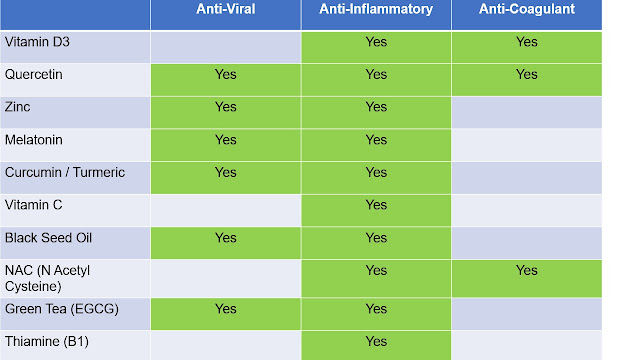
NAC is best known clinically as a mucolytic that helps break down thick airway mucus, and as the standard antidote used in acetaminophen (paracetamol) overdose because it rapidly replenishes glutathione in the liver. Research from the pandemic era also explored NAC's anticoagulant and platelet-inhibiting properties in the context of COVID-19-related hypercoagulation (R, R) and a 2017 paper found NAC has thrombolytic effects, meaning it can help break down blood clots that have already formed (R). These findings are mechanistic and study-specific rather than a general recommendation to use NAC for clotting or viral illness.
The cancer caution — updated for 2026
This is the most important caveat for NAC. Antioxidants like NAC mop up the reactive oxygen species that fast-dividing, metabolically dysregulated cancer cells produce in excess — which sounds protective, but several studies have found this can actually help cancer cells survive and spread rather than harming them (R, R).
A January 2026 study added a specific mechanism behind this concern: researchers found that systemic NAC significantly increased lung metastasis in mouse models of breast cancer — not by acting on the tumor cells directly, but by reprogramming neutrophils in a way that suppressed the anti-tumor T-cell immune response (R). This is mouse and mechanistic data, not a human clinical trial, but it strengthens rather than weakens the existing caution. Our position remains unchanged: we do not recommend long-term NAC use, and anyone with active cancer or a cancer history should discuss any antioxidant supplement, including NAC, with their oncology team before starting it.
Regulatory note: NAC itself went through its own supplement-status dispute with the FDA in 2021–2022, when the agency briefly signaled it might remove NAC from the supplement market on similar drug-preclusion grounds to what later happened with NMN. Following industry petitions, the FDA issued a policy of enforcement discretion that has allowed NAC products to remain on the market (R).
Evidence tier: Preclinical/mechanistic caution — not human trial dataNAC vs. Glutathione
Glutathione is a tripeptide the body produces itself, acting as a powerful antioxidant and detoxifying agent in every cell. Taken orally, however, glutathione has poor bioavailability — it's likely broken down by digestive enzymes before it can be absorbed (R). NAC gets around this problem: its low molecular weight allows good oral absorption, after which the body converts it into cysteine and uses that to manufacture glutathione internally. This is why NAC, not oral glutathione, is the standard supplement approach for supporting glutathione status. Read our full glutathione vs. NAC comparison →
NAC vs. Niacin, and NAC vs. NAD+/NMN
Despite the near-identical spelling, NAC and niacin serve completely different biological roles: niacin is a vitamin B3 form that feeds NAD+ production and energy metabolism, while NAC feeds glutathione production and detoxification. The same distinction applies to NAC vs. NAD+ and NAC vs. NMN — NAD+ is involved in energy production and DNA repair via the sirtuin/PARP pathways described above, while NAC's role is entirely on the glutathione/antioxidant side. They are not interchangeable, and taking one does not substitute for the other.
Niacin (Vitamin B3 / Nicotinic Acid)
Niacin — nicotinic acid, the original form of vitamin B3 — is a direct dietary precursor to NAD+. Deficiency causes pellagra (mental confusion, diarrhea, and scaly skin sores), but true deficiency is rare in developed countries and mostly confined to people with malabsorption issues (R).
Niacin supplements carry several dose-dependent risks worth knowing before considering them for anything beyond correcting a diagnosed deficiency:
- Flushing — a harmless but uncomfortable skin reaction, the most common side effect.
- Hepatotoxicity — sustained-release niacin formulations can cause liver damage; instant-release formulations do not carry the same risk (R).
- No cardiovascular-mortality benefit — despite five decades of use to lower cholesterol, large trials found high-dose niacin did not reduce heart attacks or strokes and was linked to increased mortality, alongside higher rates of bleeding, gout, new-onset diabetes, infections, and blood-sugar loss of control in existing diabetics (R). This is a good reminder that improving a lab marker like cholesterol doesn't automatically translate into a better clinical outcome.
- Macular edema — reported at doses above 1,500 mg/day, causing painless vision loss that has reversed after discontinuation in documented cases, though it has also occurred at lower doses in some patients (R, R, R).
Niacinamide (Nicotinamide) vs. Niacin
Niacinamide (also called nicotinamide, or NAM) is another form of vitamin B3, but it behaves quite differently from niacin. It doesn't cause flushing, which makes it more tolerable — but there's a trade-off. NAM sits early in the pathway toward NAD+ (NAM → NMN → NAD+), and at high doses it may inhibit sirtuins, the same longevity-linked enzymes NAD+ is meant to support. This happens because sirtuins convert NAD+ back into NAM as part of their normal activity; an excess of NAM can interfere with that conversion and, in turn, with sirtuin function itself (R).
For this reason, most longevity-focused protocols favor NMN — a molecule further along the same pathway — over high-dose niacinamide. Niacinamide still has legitimate, well-supported uses outside the anti-aging context, including correcting vitamin B3 deficiency and certain dermatology applications, typically at doses well below where sirtuin inhibition becomes a concern.
NR (Nicotinamide Riboside)
Nicotinamide riboside (NR) is a vitamin-B3-family NAD+ precursor discovered by biochemist Charles Brenner and found naturally in trace amounts in cow's milk. Unlike niacin and niacinamide, NR doesn't cause flushing and doesn't inhibit sirtuins at typical doses — a distinction researchers have specifically highlighted as giving NR "a particularly strong potential" as a vitamin B3 form suited to supporting metabolic health during aging (R, published in Scientific Reports).
NIAGEN® is ChromaDex's patented, branded NR ingredient, sold in ChromaDex's own Tru Niagen products and licensed to other brands, including Elysium Health's Basis, which pairs NR with the resveratrol-related compound pterostilbene. Multiple human trials confirm NR reliably raises circulating NAD+ (R), which was reconfirmed head-to-head against NMN in the January 2026 trial discussed above.
The important caveat: raising NAD+ is not the same as extending lifespan. The National Institute on Aging's Interventions Testing Program — widely considered the gold standard for testing longevity interventions in genetically diverse mice — tested NR and found no lifespan-extension effect (R, Aging Cell, 2021). This doesn't rule out other benefits, but it's a meaningful check against overstating NR's anti-aging case based on NAD+ elevation alone.
Recent development: A small, open-label pilot study published in Frontiers in Aging in 2026 reported that Elysium's NR-and-pterostilbene combination reduced the frequency and severity of menopause-transition symptoms in a short trial. As an uncontrolled pilot study, this is preliminary and needs placebo-controlled confirmation before it should influence treatment decisions.
Evidence tier: Human RCTs for NAD+ elevation; negative finding for lifespan in the mouse ITP studyNMN (Nicotinamide Mononucleotide) and Its 2025 FDA Reversal
Nicotinamide mononucleotide (NMN) is a nucleotide precursor that converts to NAD+ in a single step, and is found naturally in small amounts in foods like edamame and other green vegetables. Multiple human trials have tested it for safety and NAD+-related outcomes: a 12-week trial found 250 mg/day well tolerated with a trend toward reduced arterial stiffness (R, Scientific Reports, 2023), a safety study confirmed tolerability at doses up to 1,250 mg/day for four weeks (R), and a 12-week randomized trial in older adults with insomnia symptoms reported improvements in sleep onset and sleep architecture at 250 mg/day.
The 2025–2026 regulatory saga
NMN's US legal status has been genuinely unsettled for years, and it's worth understanding the timeline if you're buying in the United States:
- 2022: The FDA excluded NMN from the legal definition of a dietary ingredient, reasoning that it had already been authorized for investigation as a new drug before being marketed as a supplement.
- 2024: The Natural Products Association filed a citizen petition and then a federal lawsuit challenging that exclusion.
- September 29, 2025: The FDA reversed course, concluding NMN was in fact marketed as a supplement before the relevant drug investigation began, and confirming it is lawful for use in dietary supplements (R).
- December 2025: The FDA sent follow-up confirmation letters to companies with pending New Dietary Ingredient notifications, including SyncoZymes and Inner Mongolia Kingdomway Pharmaceutical, formalizing the reversal (R).
As of mid-2026, NMN remains lawfully sellable as a US dietary supplement, while the European Union has not yet granted it Novel Food authorization, so its legal status still varies significantly by country (R).
The quality problem
Legality aside, NMN has a well-documented product-quality issue. ChromaDex-commissioned third-party testing of 22 NMN products sold on Amazon found that 64% contained less than 1% of their labeled NMN content, with only one of fourteen 500 mg-labeled products coming close to its claim (R). A separate 2022 investigation uncovered tens of thousands of counterfeit supplements on Amazon, many of them NMN products (R). Given the FDA's now-settled legal status, third-party-tested sourcing — not legality — is the bigger practical risk to manage when buying NMN.
Evidence tier: Human RCTs for NAD+ elevation and short-term safety; longevity benefit unproven in humansNR vs. NMN: The Transporter Debate, Storage, and Stacking
For years, the NR-vs-NMN debate centered on a single mechanistic question: does NMN have a dedicated cellular transporter? A 2019 Nature paper reported evidence for one (R, R), which would let NMN enter cells directly and give it a theoretical edge. ChromaDex and Brenner disputed this, arguing NMN must first be broken down into NR in the bloodstream before cells can use it (R). The two molecules had never been studied side by side in humans — until the January 2026 trial covered earlier in this guide, which found them essentially equivalent for raising blood NAD+ and pointed to gut microbial conversion, not a specific transporter, as the operative mechanism for both.
A 2022 meta-analysis of clinical trials involving NAD+ precursors (NR, NMN, niacin, and niacinamide as a class) found that supplementation improved triglycerides, total cholesterol, and LDL and HDL levels compared with placebo, but also increased blood glucose — with niacin showing the strongest lipid effect among the precursors studied (R, Zhong et al., 2022). This glucose signal is worth discussing with a doctor if you have prediabetes or diabetes.
Should you take NR and NMN together?
No published trial has tested combining them, and because both appear to raise NAD+ via the same gut-microbial-to-nicotinic-acid route, stacking the two may be redundant rather than additive — you could simply be paying twice for a similar effect. A more evidence-based approach is to trial one at a time and evaluate how you respond, rather than combining them by default.
Storage and stability
Both NR and NMN are heat- and humidity-sensitive. Stability testing shows NR remains stable for roughly six hours at room temperature and about seven days refrigerated. Left unrefrigerated for longer, both molecules degrade toward plain nicotinamide — the same compound flagged above for potentially inhibiting sirtuins and PARP at high accumulated doses. Refrigerating NR and NMN supplements, and buying only what you'll use within their stable window, helps avoid this.
How to Support NAD+ Levels Naturally
Supplementation isn't the only lever. Several lifestyle factors and foods have supporting evidence for maintaining NAD+ levels without a pill:
Lifestyle factors
- Exercise. Both aerobic and resistance training increase NAD+ by boosting NAMPT, the rate-limiting enzyme in NAD+'s salvage pathway. A 2019 study in Physiological Reports found aerobic and strength training increased NAMPT levels in adults over 55 by 28% and 30% respectively (R) — the most direct human evidence among the lifestyle approaches here.
- Time-restricted eating or intermittent fasting. Calorie reduction and fasting have been shown to raise NAD+ and sirtuin activity. That said, drastic or prolonged calorie restriction carries real downsides, including muscle loss, reduced bone density, and fatigue — a more moderate, time-restricted approach carries less of that risk than aggressive fasting or chronic undereating.
- Supporting methylation. Healthy methylation helps recycle NAD+ through the "salvage pathway" (R). Getting adequate methyl-donor nutrients — B12, riboflavin, and TMG — supports this process.
- Moderating sun exposure. UV exposure depletes NAD+ because the body uses it to repair UV-damaged cells. Reasonable sun protection helps preserve that reserve.
- Limiting alcohol. Alcohol interferes with the metabolic processes NAD+ supports, so keeping intake moderate helps preserve its efficacy.
Food sources of NAD+ precursors
- Dairy milk — a natural source of nicotinamide riboside; roughly 3.9 µmol of NAD+ per liter of fresh cow's milk.
- Fish — tuna, salmon, and sardines are relatively rich sources.
- Mushrooms — crimini mushrooms in particular contain NAD+ precursors.
- Yeast — another natural source of nicotinamide riboside, found in bread and baked goods.
- Green vegetables — peas and asparagus are commonly cited sources.
- Whole grains — raw or minimally processed grains retain more of their B3 content than heavily processed versions.
Evidence Tier Summary
Evidence tiers below follow a CEBM-style hierarchy: Tier 1 = systematic review/meta-analysis or multiple concordant RCTs; Tier 2 = at least one human RCT; Tier 3 = uncontrolled human/pilot data; Tier 4 = preclinical (animal/in vitro) or mechanistic evidence only.
| Claim | Tier |
|---|---|
| NR and NMN raise circulating NAD+ in humans | Tier 1–2 (multiple RCTs, including the 2026 head-to-head trial) |
| NR or NMN extend lifespan / reverse aging in humans | Unestablished — Tier 4 mechanistic support only; negative for lifespan in the mouse ITP study |
| High-dose niacin lowers LDL/raises HDL | Tier 1 |
| High-dose niacin reduces heart attacks/strokes | Tier 1 — refuted by large RCTs (no benefit, increased side effects) |
| NAC promotes tumor metastasis via immune suppression | Tier 4 (mouse/mechanistic) |
| NAC supports glutathione and mucolytic function | Tier 1–2 |
| Exercise raises NAD+ via NAMPT | Tier 2 |
Key Takeaways
Raising NAD+ alone is unlikely to meaningfully slow aging in isolation. Other systems — ATP-carrying molecules, antioxidants like glutathione, and hormones such as cortisol — all play a role too, and a more effective approach manages these factors together rather than fixating on one number. A Harvard T.H. Chan School of Public Health study on longevity identified five low-risk lifestyle factors with strong supporting evidence (R):
- Avoiding smoking
- Maintaining a healthy weight (BMI 18.5–24.9)
- Regular moderate-to-vigorous exercise (30+ minutes daily)
- Moderate alcohol intake, if any
- An overall healthy diet — high in vegetables, fruit, nuts, whole grains, and omega-3s; low in red/processed meat, added sugar, trans fat, and sodium
This article is part of our Anti-Aging series.
Frequently Asked Questions
What is the main difference between NAD+, NR, NMN, niacin, and NAC?
NAD+ is the coenzyme your cells actually need. NR, NMN, niacin, and niacinamide are the four vitamin-B3-family molecules the body converts into NAD+, each through a different pathway. NAC is unrelated to NAD+ metabolism — it feeds glutathione production instead.
Is NR or NMN better for raising NAD+ levels?
A January 2026 head-to-head trial found them comparable — both roughly doubled blood NAD+ over 14 days at 1 gram/day, with neither showing a clear edge over the other.
Can you take NR and NMN together?
No trial has tested combining them, and since both appear to work through the same gut-microbial pathway, stacking them may be redundant. Trialing one at a time is a more evidence-based approach.
Is NMN legal in the United States in 2026?
Yes. The FDA reversed its 2022 exclusion on September 29, 2025, confirming NMN is lawful in dietary supplements, with follow-up confirmation letters in December 2025. It's still pending Novel Food authorization in the EU.
Does NAC increase cancer risk or help cancer spread?
Preclinical research, including a January 2026 mechanistic study, found NAC can promote tumor metastasis in mice by suppressing anti-tumor immune activity. This is animal data, not a human trial, but it supports avoiding long-term NAC use without discussing it with an oncologist if you have a cancer history.
What is the difference between niacin and niacinamide?
Both are vitamin B3 forms that become NAD+, but niacin causes flushing and carries hepatotoxicity risk at sustained-release high doses, while niacinamide doesn't flush but may inhibit sirtuins at high doses.
How should NR and NMN supplements be stored?
Keep them refrigerated. NR is stable for only about six hours at room temperature versus roughly seven days refrigerated, and both degrade into plain nicotinamide if left too long unrefrigerated.
What's the safest, most evidence-based way to raise NAD+ naturally?
Regular exercise has the strongest direct human evidence (via increased NAMPT activity), alongside moderate time-restricted eating, adequate B12/riboflavin for methylation, and NAD-precursor foods like milk, fish, mushrooms, and green vegetables.
Is glutathione or NAC better for antioxidant and detox support?
NAC is the more practical oral option — glutathione has poor oral bioavailability because it's broken down before absorption, whereas NAC is well absorbed and used by the body to manufacture glutathione internally.
Does high-dose niacin help cholesterol, and is it safe long-term?
It does improve lipid numbers, but large trials found no reduction in heart attacks or strokes and higher rates of side effects including bleeding, gout, new-onset diabetes, and liver problems — which is why it's no longer routinely recommended for cardiovascular prevention.
Personalize This Guide With AI
This article covers the general evidence, but your own health history, medications, and goals matter for any supplement decision. You can paste specific sections of this guide into an AI assistant along with your own context to think through what's relevant to you — though none of these replace an actual conversation with your doctor, especially regarding NAC if you have any cancer history, or niacin if you're managing cholesterol.
- Claude: "Here's an article on NAD+ precursors [paste the NR vs. NMN section]. I'm on [medications/conditions] — what questions should I bring to my doctor about trying NR or NMN?"
- ChatGPT: "Compare the niacin and niacinamide sections of this article against my current cholesterol medication [name it] — are there interactions worth flagging?"
- Gemini: "Summarize the cancer-related caution around NAC in this article, and help me draft questions to ask my oncologist before taking any antioxidant supplement."
- Perplexity: "Find the most recent human trials published after this article's July 2026 update on NR, NMN, or NMNH so I can check if anything has changed."
Age Defying Longevity (Now Available)
The Wellness Company's Signature Series Longevity formula combines Nicotinamide Riboside (NR), Liposomal Glutathione, Resveratrol, Betaine HCl, and a probiotic blend (BL21, LRa05, LC86) into a single daily capsule aimed at supporting cellular energy production and healthy aging.
Where to buy: Available on The Wellness Company's website.
Discount code: Use ONEDAYMD for 10% off.
Disclosure: One Day MD is an affiliate partner of The Wellness Company (referral code ONEDAYMD) and may earn a commission on purchases made through this link, at no extra cost to you. This does not change our editorial assessment of the underlying ingredients above, which is based on the same evidence discussed throughout this article.
Medical disclaimer: This article is for informational purposes only and is not a substitute for professional medical advice, diagnosis, or treatment. NAD+ precursor supplements and NAC have not been evaluated by the FDA to diagnose, treat, cure, or prevent any disease. Always talk to a qualified healthcare provider before starting any new supplement, especially if you have a cancer history, are managing cardiovascular disease or diabetes, or take prescription medications.
References
- Christen S, et al. The differential impact of three different NAD+ boosters on circulatory NAD and microbial metabolism in humans. Nat Metab. 2026. PMID: 41540253
- Zhang J, et al. Antioxidant N-Acetylcysteine Facilitates Breast Cancer Metastasis via Immunosuppressive Reprogramming of Neutrophils. Int J Mol Sci. 2026. PMC12787033
- Natural Products Association. FDA Declares NMN Lawful in Dietary Supplements. Sept 29, 2025. Link
- Nutraceuticals World. FDA Confirms Status of NMN as a Supplement Ingredient. Dec 2025. Link
- CIRS Group. US FDA Confirms NMN Lawful in Dietary Supplements. Link
- ChromaDex. Quantitative Analysis of 22 NMN Consumer Products. Oct 2021. PDF
- Yoshino J, et al. NAD+ Intermediates: The Biology and Therapeutic Potential of NMN and NR. Sci Rep. Link
- Zhong O, et al. Effects of NAD+ precursor supplementation on glucose and lipid metabolism: a meta-analysis. 2022. PMID: 35303905
- ITP data on NR and mouse lifespan. Aging Cell. 2021. PMID: 33788371
- Katayoshi T, et al. NAD metabolism and arterial stiffness after long-term NMN supplementation. Sci Rep. 2023. Link
- Safety evaluation of NMN oral administration in healthy adults. PMC9400576
- Trammell SA, et al. Nicotinamide riboside is uniquely and orally bioavailable in mice and humans. PMID: 27721479
- Northwestern University. Niacin Too Dangerous for Routine Cholesterol Therapy. 2014. Link
- Niacin and hepatotoxicity of sustained-release formulations. PMID: 8309029
- Niacin-associated maculopathy. PMID: 12788145
- Nicotinamide and sirtuin inhibition. PLOS ONE. Link
- Schmidt MS, Brenner C. Response to NMN transporter claims. 2019. PDF
- Slc12a8 as a putative NMN transporter. Nat Metab. 2019. Link / Link
- NAD+-dependent muscle deterioration and amyloid aggregates. Cell Reports. 2021. Link
- Exercise and NAMPT levels in older adults. Physiol Rep. 2019. PMC6577427
- Health benefits of short-chain fatty acids. Foods. 2022. PMC9498509
- Reductive stress and NAD+ excess. PMC5666780
- Oral glutathione bioavailability. PMC4536296
Related Articles
- Best NMN Supplements
- Best NAD Supplements
- Tru Niagen Review
- NMN vs NMNH: Differences, Benefits and Risks
- Long COVID, Spike Protein, and NAD+ Therapy (2026)
- NAD Supplements and Cancer
- Glutathione vs NAC: What's the Difference?
- Niacin vs Niacinamide vs Nicotinamide
- I-PREVENT Aging Protocol: Anti-Aging Guide (2026 Update)




Comments