When it comes to choosing the best diaper for your baby, parents seek a balance of comfort, absorbency, and eco-friendliness. Coterie diapers have gained popularity for their high-performance features, premium quality, and commitment to sustainability. But what makes them stand out from traditional diaper brands? Let’s take a closer look.
Unparalleled Comfort for Your Baby
One of the biggest concerns for parents is ensuring their baby stays comfortable throughout the day and night. Coterie diapers are designed with an ultra-soft, cloth-like feel that minimizes irritation. Made with hypoallergenic materials, they are free from harsh chemicals, fragrances, and dyes, making them a great option for babies with sensitive skin.
Superior Absorbency for Longer Wear
Coterie diapers boast an industry-leading absorbency rate, offering up to 70% more liquid retention than traditional brands. This feature helps prevent leaks and blowouts, ensuring your baby stays dry and comfortable for extended periods. The quick-wicking technology also reduces moisture exposure, lowering the risk of diaper rash.
Eco-Friendly and Sustainable Design
Many parents are now prioritizing sustainability when selecting baby products. Coterie is committed to reducing its environmental impact by using responsibly sourced materials and minimizing waste. Their diapers are made with a blend of plant-based materials and are free from chlorine, parabens, latex, and other harmful substances. While not fully biodegradable, they are designed to be a greener alternative to conventional disposable diapers.
Coterie diapers in size 4 are an absolute game-changer! As a mom, I've tried numerous diaper brands, but none compare to the comfort, absorbency, and quality of Coterie.
My 15-month-old daughter has sensitive skin, but with Coterie, diaper rashes are a thing of the past. The material is incredibly gentle, and she loves wearing them.
I’ve been using coterie for my 16 month old since birth and I love them. I’ve never run out, their delivery sizes are ample. They are super absorbent and usually if I was having leaking or blowout issues it’s because I needed to alter the size.
Their customer service is great and there’s been times where I wanted to exchange for a different size and they refunded me the difference. I highly recommend them. They’re not cheap but I wouldn’t use any other brand. His rashes have been very minimal too.
Nobody has time for a diaper leak. On one hand, that's just part of babyhood; on the other, it'd be nice if it weren't.
In terms of diapers that leak the least, Coterie and Pampers Pure are a tie.
"We have never had a diaper leak with Coterie Diapers. Not during the day, not at night, and not first thing in the morning.
We've had many morning leaks with Honest Diapers. If you're going to use Honest diapers, it's best to get overnight diapers for nighttime.
We haven't had a leak with Pampers Pure diapers. They are the roomiest of all three diapers."
2. Which Diapers Have The Least Chemicals?
Coterie would be the best option in this category, thanks to their list of harsh chemicals that they leave out is long and impressive and readily available on their site.
Coterie diapers are free of chlorine bleach, fragrances, dyes, latex, and they haven't been tested on animals. They are hypoallergenic, dermatologist tested, and use 25% plant-based materials. They are free from lotion, alcohol, parabens, phthalates, pesticides, VOCs, or optical brighteners.
Coterie uses third-party labs to test the diapers and back up their claim that they're "clean."
The Honest Brand's entire foundation and angle is how clean their diapers are. They even have a "NO List" — a list of over 2,500 chemicals/materials we choose not to use." They make references it to it, saying that phthalates, parabens, and animal cruelty are "no"s for them. But where is that list?
Honest also references that they research and test the ingredients in their diapers (and beauty products), but again we just have to trust them there.
Pampers Pure diapers are accredited as skin-safe by the Skin Health Alliance. They give a full list of ingredients on their website so you can really dig into what's in them. They're chlorine-free and their odor absorber is mineral-based.
Pampers Pure diapers are made from premium cotton. The inside of them is white instead of blue (like regular Pampers diapers).
3. Which Diapers are the Softest?
Coterie is the softest, followed by Pampers Pure. Honest Diapers are reported to feel like regular diapers.
Coterie Diapers feel like cloth and are very nice to the touch. They’re made partially from “wood pulp from sustainably managed forests.”
Honest Diapers feel the most un-notable of the three. They feel like diapers.
Pampers Pure's softness stands in-between the mega-softness of Coterie and the regular-ness of Honest.
4. Which Diapers Are The Most Eco-Friendly?
Every disposable diaper is obviously going to create waste. Diapering (and babies) in general will create a footprint. But if we can go about our regular rhythm finding ways to reduce that footprint even a little, we should.
All three diaper brands are performing different efforts toward sustainability. That said, less waste is a big deal. So, Coterie would be the best option here.
Here's what each brand is doing to be more sustainable..
Coterie is founded on sustainability. Their DTC model means a shorter production line, which is better for the planet. The diaper itself is made from 25% plant-based materials from sustainably managed forests, and some components of their diapers biodegrade.
Also, Coterie is 70% more absorbent than other diapers brands, which means fewer are needed to be used per day.
Honest says, "We harvest wood from sustainably managed pine + spruce trees in Scandinavia to make the core of our diapers." They don't go into much more detail than that, but that's a great start.
Pampers is a Procter and Gamble company, which has ambitions of reducing its carbon emissions to net-zero by 2030. The diapers are made from responsibly produced cotton and with 100% certified renewable electricity.
5. Which Diapers Have The Best Colors and Prints?
If you like all-white, you can choose between Coterie and Honest. If you like to have fun with diaper style, Honest is a good choice.
What colors and prints does Coterie offer? All white, a small black "Coterie" logo at the waistband and a faint yellow wetness indicator that turns blue when wet.
What colors and prints does Honest offer? Honest offers any sort of diaper print experience you might want. They have about 10 basic prints that are almost always available, and they release special edition prints seasonally. Some are cutesy, some are quirky, some are loud and bright, some are sweet and delicate. They also offer plain white diapers for those that prefer simple looks.
What colors and prints does Pampers Pure offer? Pampers Pure diapers do have faint prints on them, and you don't know what you're going to get until you open the box. Each box contains two subtle prints. They rotate patterns occasionally, but they're always gender-neutral and lightly printed.
I spent some time deliberating between Pampers Pure, Honest, and Millie Moon. We were using Pampers Swaddlers for the first few months, and I didnt like how swampy the diaper would get after a little bit of pee.
Although it’s marketed as a more plant based and more chemical free diaper, it doesn’t say it’s free of phthalates…. So it probably has some, or they would tout that proudly. And it’s only 15% plant based, so I worried it would still have that plasticky feel on the inside that I was trying to avoid. Lastly, they’re pretty expensive.
Honest sounded great but based off reviews, I wasn’t sure it would hold up overnight. They sell an overnight version, but I wanted to buy just one diaper, not two types to use.
So I went for Millie Moon and I’m happy so far. I sized up compared to Pampers Swaddlers. It feels soft and cottony on the inside like Huggies. No stray flecks coming off on my baby like Pampers either. Good capacity so I don’t need an overnight version. Free of the chemicals they say to watch out for, cheaper than Pure.
The main difference between them is the feel on the baby’s skin.
Coterie is significantly softer on the skin compared to Pampers. This cloth-soft texture can be attributed to the Sodium Polyacrylate and Chlorine free wood pulp from sustainably managed forests used to make the absorbent sheet.
Although Pampers is soft, the inner layer is made from Polypropylene which is durable, but the texture cannot be compared to Coterie.
Coterie is, therefore, softer on the baby's skin.
2. Which Diapers Are More Leak-Proof?
Though both Pampers and Coterie offer hours of leakage protection, Coterie offers higher absorbency.
Coterie has a breathable top sheet and an acquisition distribution layer that wicks the liquid from the skin in seconds. This leaves the baby feeling dry and preventing irritation.
Pampers prevents leakage using a super absorbent gel that absorbs liquid and locks it away from the baby's skin. This gel is effective at holding liquid, but not for long periods.
3. Coterie vs Pampers Similarities
Both Coterie and Pampers diapers are free from parabens, lotions, chlorine and fragrances. They also both have wetness indicators.
FAQ
1. Diapers Guide 101
2. How to Buy Baby Diapers
Most newborns gain about 3 pounds during the first month and babies born with a higher birth weight tend to skip this diaper size altogether. Therefore, there’s no point stockpiling on size NB.
You can always start small. Try stockpiling no larger than size 1, just in case you don’t like the first brand you try.
Once you get a feel for fit, cost, brand, and size, go ahead and purchase more — up to an entire year’s worth or more of diapers. Keep in mind your own baby’s weight and rate of gain when planning. Never pay full price for diapers unless it’s an emergency (more on saving on diapers below).
Keep in mind that different brands may work better or worse for different babies, so be open to trying a few different diapers before you decide on the right ones for you. Sometimes a diaper that costs a little more is a better fit and works better, making it worth the extra money.
3. How Often Should You Change Your Baby's Diaper?
Change your newborn’s diaper every two to three hours, or as needed, according to experts. Because if the diaper isn’t changed frequently, the baby is at risk of developing skin rashes, infections, and a variety of other health problems.
4. Things to Consider When Picking Your Baby's Diaper
a) Pick Trustable Brands Make sure you pink a trustable brand.
b) Diaper Features
Make sure your diapers have features that are suitable for your condition. For example; Good Absorbency, Wetness Indicator Lines, Soft and Breathable, Stretchability and Fit.
c) Pick the right size
Avoid loading up on one size because your baby will require bigger-sized diapers every few months.
d) Skin Sensitivity
If your baby has sensitive skin like having rash because of diapers. You must look for hypoallergenic diapers. For example: Huggies Little Snugglers
5. What is diaper rash Diaper rash is a common type of inflamed skin (dermatitis) that appears on your baby’s bottom as a patchwork of bright red skin. Wet or infrequently changed diapers, skin sensitivity, and chafing are all common causes of diaper rash.
6. What causes diaper rash Diaper rash can be caused by a variety of factors. Diaper rash can occur when a new food is introduced into your child’s diet. It could also be the result of a new laundry detergent or bath product.
Diaper rash can also occur when a child’s diaper is not changed frequently enough or caused by antibiotics your child is taking. Additionally, diapers or wipes that aren’t compatible with your child’s skin may be the reason of their diaper rash.
7. How to treat diaper rash
Know the Cause If the cause is a lack of hygiene, you should change your child’s diaper on a regular basis, making sure to thoroughly clean the baby’s bottom with a wipe or wet washcloth after each change. Then, apply a thin layer of diaper rash ointment to your baby’s bum to keep moisture at bay.
If your baby’s skin is really sensitive, it is best to use a diaper designed for sensitive skin. Change your child’s diaper frequently to avoid diaper rash in the future — moisture trapped on your child’s skin for an extended period of time can be quite harmful.
If it is due to a yeast infection. This will take a week or two of daily application of anti-fungal cream. Always make sure that your baby’s bottom is dry and clean while you’re treating them.
8. What to know about diaper rash
Diaper rash is frequently caused by a skin irritation caused by too much moisture in the diaper. The best way to solve this problem is to keep your baby’s bottom dry.
For heavy wetter, do not change diapers too soon because if your baby sitting in a lot of moisture for long periods that can cause rashes.
It is also critical to avoid using any petroleum-based products on your baby’s sensitive skin because they cause too many dry spots, which can worsen the condition or cause more frequent flare-ups. Vaseline, Icy Hot, and Aquafor are examples of such products.
NAC vs NAD vs Niacin vs NR vs NMN vs NMNH. Due to the small alphabetical differences, these supplements are often mixed up and confused by most consumers. We will cover the essentials and explain about each of these supplements below. Contents NAD NAD vs NAD+ NAD+ for Anti Aging NAD+ Helps Restore Age-Related Muscle Deterioration NAD and Resveratrol NAD Supplements NAC Niacin (NA) NR NMN NAC vs NMN Gluthatione vs NAC NAC vs Niacin NR vs NMN Can you take NR and NMN together? Niacin vs NR vs NMN Stability and Storage of NMN and NR Naturally Boosting NAD Levels Related Articles NAD NAD is a type of coenzyme found in all living cells. NAD plays important roles in a variety of metabolic reactions, including energy production and DNA repair. NAD is derived from Nicotinamide Riboside (NR) and various...
Executive Summary Sleep is not a passive state — it is a biological repair system that influences metabolism, immune function, brain health, and lifespan. Large‑scale population data now show that chronic short sleep is independently associated with shorter life expectancy, rivaling smoking and obesity as a longevity risk factor. This article integrates epidemiological data, mechanistic biology, and clinical implications into a single evidence‑based framework. Why Sleep Is a Longevity Pillar Sleep regulates: Hormonal balance (insulin, cortisol, growth hormone) Immune surveillance and inflammation Brain waste clearance (glymphatic system) Cellular repair and mitochondrial function When sleep is consistently insufficient or fragmented, these systems deteriorate in parallel — accelerating biological aging. Population‑Level Evidence: Sleep and Life Expectancy County‑Level Data Across the United States A major epidemiological analysis published in Sleep Advances (2025) examined sleep ...
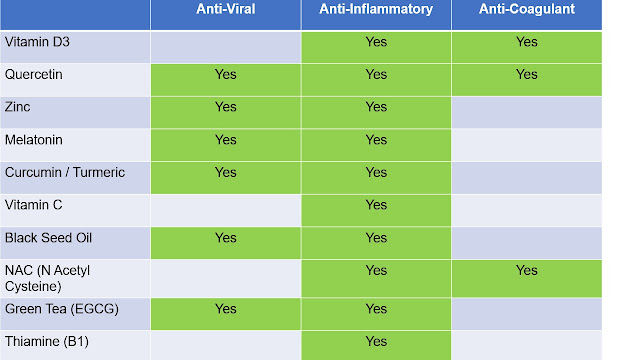
As of May 2024, there are more than 4,000 early treatment studies that have been published and shared with the whole world. New ones are being added every day. This is a review of the literature, covering multiple observational studies, randomized controlled trials and references related to natural supplements and cytokine storm with more than 300 studies and references. We know that while a large percentage of the population only experiences mild to moderate symptoms of COVID-19 and won’t require hospitalization, others experience severe symptoms and complications, require hospitalization, or may even die. It appears one of the differences between those who have a mild illness and severe illness is related to the body's ability to reduce the hyperimmune response that leads to a cytokine storm and the hyper-coagulability (tendency for blood clots) that often accompanies it. The cytokine storm may be one possible way to ex...
On September 29, 2025, the U.S. Food and Drug Administration (FDA) reversed its previous stance and confirmed that nicotinamide mononucleotide (NMN) can be legally sold as a dietary supplement in the United States . This decision follows a period of regulatory uncertainty and effectively restores NMN's legal status as a supplement. NMN is one of the most popular supplements in the anti aging community. NMN stands for nicotinamide mononucleotide and is a precursor to NAD+, or nicotinamide adenine dinucleotide. NMN is the direct precursor of the essential molecule nicotinamide adenine dinucleotide (NAD+) and is considered a key component to increase NAD+ levels in cells. NAD+ is a critical molecule found in every cell of your body, but levels of NAD+ naturally fall with age, making it — and NMN, as a result — crucial. As per MRFR analysis , the Nicotinamide Adenine Dinucleotide Market Size was estimated at 3.51(USD Billion) in 2024. The Nicotinamide Adenine Dinucleotid...
A comprehensive, peer-reviewed synthesis of preclinical and clinical evidence for H₂ therapy across 20 disease categories — 2026 Update Published: June 2026 Last Reviewed: June 2026 2026 Update References: 160+ citations Category: Integrative Medicine | Antioxidant Therapy Reading Time: ~18 min Peer-Reviewed Format Abstract Molecular hydrogen (H₂) has emerged over the past two decades as a uniquely versatile therapeutic agent, distinguished by its ability to selectively scavenge cytotoxic reactive oxygen species (ROS) while crossing all biological barriers, including the blood-brain barrier. Since the landmark 2007 Nature Medicine publication, more than 5,000 papers and over 100 registered clinical trials have examined H₂ across conditions spanning neurodegeneration, cancer, cardiovascular disease, metabolic syndrome, inflammatory disorders, and respiratory illness. This updated review synth...
Gynaecology or gynecology is the medical practice dealing with the health of the female reproductive systems (vagina, uterus and ovaries), breasts and pregnancy related management. Literally, outside medicine, it means "the science of women". Almost all modern gynaecologists are also obstetricians and therefore the term obstetricians & gynecologists or O&G or OBGYN in short. In many areas, the specialties of gynaecology and obstetrics overlap. What's the difference between obstetricians and gynaecologists? Most gynaes are qualified with a post-graduate qualification in O&G i.e. MRCOG or Master of Obstetrics and Gynaecology. Therefore, they are trained both in obstetrics as well as gynaecology. An obstetrician specialises in pregnancy related aspects of women's health whereas a gynae specialised in the 'non-pregnancy' related aspects. Next, you may also need to understand that there are 4 primary subspecialties in ob/gyn: 1) maternal fetal ...
Chronic joint pain affects almost one-quarter of people worldwide. Common joints affected include the knees, hands, elbows, shoulders, back and elsewhere. In most cases, this is caused by the most common type of arthritis, osteoarthritis. The issues surrounding the complexity of pain management have contributed to increased demand for alternative pain treatment option. One such method is to increase the usage of topical pain relievers. In theory, this nonoral treatment has the advantage of local activity and fewer systemic side effects. What is the main cause of joint pain? Joint pain is a very common issue that can have a variety of reasons, but it is usually the result of an injury or arthritis. Joint discomfort that worsens over time is frequently a marker of osteoarthritis in the elderly. It can affect one joint or many. What ingredients are good for pain and inflammation? Despite the fact that they are all intended to ease pain, different products use different ingredients. – Co...
Zinc picolinate and zinc gluconate are forms of dietary supplements that we use to prevent zinc deficiency. Zinc is an essential mineral that our body can easily absorb. Therefore, if we do not get enough amount of zinc, we may have to take these dietary supplements as directed by the doctor. When choosing a zinc supplement, it’s important to consider the type of zinc, dosage, and supplement form. Types of Zinc Supplements There are several types of zinc supplements. Supplements contain several forms of zinc, including zinc gluconate, zinc citrate and zinc picolinate. The percentage of elemental zinc varies by form. Chelated zinc is a general form of supplementary zinc in which the zinc is chelated — or bound — to a compound to make it easier for the body to absorb. Zinc picolinate or zinc gluconate are formed when zinc is chelated to picolinic acid or glucon...
Ever wondered How Much Does It Cost to be admitted in a private hospital or a government hospital in Malaysia? Find out and compare hospital charges below. Although the numbers and statistics are everywhere on the internet, we have compiled and organised the information accordingly in one place. The pricing information below is based on the published prices from major centres and pricing information available on blogs and the internet. Here is the list, categorised by Government Hospital Charges and Private Hospital Charges. GOVERNMENT HOSPITAL CHARGES IN MALAYSIA The average cost of popular medical procedures in public hospitals in Malaysia: Angioplasty: RM 200 Cataract: RM 500 / eye Chemotherapy: RM 200/visit Dengue: F.O.C. Heart Bypass: RM 4,000 Hip Replacement: RM 15,000 Kidney Stone: RM 10,000 Spine Surgery: RM 36,000 Stroke: RM 5,000 Additional Medical Costs That You May Need to Pay For Of course, the costs of the medical procedures above aren’t the onl...
A. Introduction Vitamin D is a fat-soluble vitamin, which means it dissolves in fats and oils and can be stored in your body’s fatty tissues and liver for extended periods. Unlike other vitamins, vitamin D acts like a hormone, binding to receptors in nearly every cell. This explains its widespread impact on health. Scientists continue to uncover its wide-ranging effects, with over 100,000 studies on PubMed since 1964 exploring its benefits . Vitamin D is essential for.. ✅ Calcium absorption – Critical for strong bones and teeth ✅ Muscle function – Helps prevent weakness and cramps ✅ Nerve signaling – Supports brain-body communication ✅ Immune defense – Fights infections and reduces inflammation ✅ Hormone regulation – Influences mood, metabolism, and more Related: The Vitamin D Paradox : What Most Doctors (and the Internet) Get Wrong (2026) B. What is Vitamin D Good For? by labdoor.com 1. Bone Health Vitamin D plays a crucial role in calcium absorption and bone metab...


.png)





Comments