Best Supplements and Diet for Dementia and Alzheimer’s Disease (2026 Evidence‑Based Guide)
Quick Answer
The best diet for dementia and Alzheimer’s disease is the MIND diet, followed closely by the Mediterranean diet. Supplements with the strongest supportive evidence include omega‑3 fatty acids (DHA/EPA), B‑vitamins (B6, B12, folate) for those with deficiency, vitamin D, and curcumin. No supplement or diet can cure Alzheimer’s, but metabolic and anti‑inflammatory nutrition patterns are associated with slower cognitive decline and reduced dementia risk.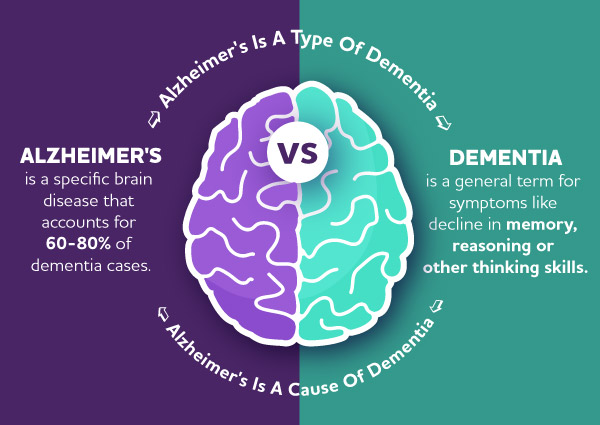
Why Diet and Supplements Matter in Dementia
Alzheimer’s disease is increasingly recognized as a metabolic‑inflammatory neurodegenerative disorder, not just an amyloid condition. Key drivers include:
Brain insulin resistance ("type 3 diabetes")
Chronic neuroinflammation
Oxidative stress and mitochondrial dysfunction
Cerebrovascular impairment
Diet and targeted supplementation influence all four pathways, making nutrition a foundational intervention for prevention and early‑stage support.
Best Diets for Dementia and Alzheimer’s
1. MIND Diet (Strongest Evidence)
The MIND diet (Mediterranean‑DASH Intervention for Neurodegenerative Delay) is the most consistently associated dietary pattern for reduced Alzheimer’s risk.
Core foods to prioritize:
Leafy green vegetables (spinach, kale)
Berries (especially blueberries)
Nuts and seeds
Beans and legumes
Whole grains
Fatty fish (salmon, sardines)
Extra‑virgin olive oil
Foods to limit:
Red and processed meat
Butter, margarine, and full‑fat cheese
Fried foods
Refined sugar and ultra‑processed foods
Even moderate adherence to the MIND diet is associated with slower cognitive decline.
2. Mediterranean Diet
The Mediterranean diet emphasizes:
Olive oil as the primary fat
Fish and seafood
Vegetables, legumes, and whole grains
Minimal processed foods
It is associated with:
Better cognitive aging
Reduced vascular dementia risk
Improved cerebral blood flow
3. Low‑Glycemic, Insulin‑Sensitizing Diets
For individuals with insulin resistance or type 2 diabetes:
Lower‑carbohydrate, whole‑food diets
Reduced refined starches and sugars
These approaches may be particularly helpful in early Alzheimer’s and mild cognitive impairment (MCI).
Best Supplements for Dementia and Alzheimer’s
Important: Supplements are supportive tools, not treatments. Benefits are strongest when combined with diet, exercise, and metabolic control.Omega‑3 Fatty Acids (DHA & EPA)
Why they help:
Support neuronal membrane integrity
Reduce neuroinflammation
Improve synaptic signaling
Best sources:
Fatty fish (2–3x weekly)
Fish oil supplements rich in DHA
Most beneficial in early disease or prevention.
B Vitamins (B6, B12, Folate)
Why they help:
Lower homocysteine (a neurotoxic amino acid)
Support methylation and neuronal repair
Most effective in individuals with:
Elevated homocysteine
B‑vitamin deficiency
Vitamin D
Why it matters:
Neuroimmune regulation
Synaptic plasticity
Deficiency is associated with faster cognitive decline
Supplementation is most useful when correcting low baseline levels.
Curcumin (Turmeric Extract)
Potential benefits:
Anti‑inflammatory
Antioxidant
May reduce amyloid aggregation indirectly
Use bioavailable formulations (e.g., with piperine or phospholipids).
Multivitamins (Emerging Evidence)
Recent large trials suggest daily multivitamin use may:
Slow cognitive aging
Support micronutrient sufficiency in older adults
Not a substitute for diet, but may provide modest benefit.
Supplements With Weak or No Proven Benefit
Ginkgo biloba
High‑dose vitamin E alone
Commercial "nootropic" blends without clinical data
These should not be relied upon for dementia prevention.
Best Foods for Brain Health
Leafy greens (vitamin K, folate)
Blueberries and berries (polyphenols)
Walnuts and nuts (omega‑3 ALA)
Fatty fish (DHA/EPA)
Extra‑virgin olive oil
Green tea
Cruciferous vegetables (broccoli, cabbage)
What to Avoid for Brain Health
Ultra‑processed foods
Refined sugar and sweetened beverages
Trans fats
Chronic overeating and metabolic dysfunction
Poor metabolic health accelerates neurodegeneration.
Who Benefits Most From Diet and Supplements?
Nutrition‑based strategies are most effective for:
Mild cognitive impairment (MCI)
Early Alzheimer’s disease
Vascular or mixed dementia
Individuals with obesity, diabetes, or insulin resistance
Advanced Alzheimer’s may see stabilization rather than improvement.
Bottom Line
The most effective nutritional strategy for dementia and Alzheimer’s disease is a MIND‑style, anti‑inflammatory, insulin‑sensitizing diet, supported by omega‑3 fatty acids, B‑vitamins (when deficient), vitamin D, and curcumin. While no diet or supplement cures Alzheimer’s, consistent evidence shows these approaches may slow cognitive decline and reduce future dementia risk, especially when started early.
Editorial Disclaimer
This article is for educational purposes only and does not replace professional medical advice. Always consult qualified healthcare providers before starting supplements or making major dietary changes.

.png)
.png)

.png)
Comments