Krill Oil vs Algae Oil 2024
Krill oil and algae oil are both well-known dietary supplements celebrated for their abundance of omega-3 fatty acids, particularly EPA (eicosapentaenoic acid) and DHA (docosahexaenoic acid). Although they serve similar nutritional purposes, they are derived from distinct sources and exhibit variances in production methods, sustainability practices, and potential health benefits.

Source: Krill oil originates from krill, tiny crustaceans resembling shrimp, predominantly found in the Antarctic Ocean.
Omega-3 Content: Krill oil boasts significant levels of both EPA and DHA, alongside phospholipids, which are believed to enhance absorption compared to other omega-3 sources.
Sustainability: Concerns have emerged regarding the sustainability of krill fishing, as krill serves as a vital component of the Antarctic marine ecosystem, supporting the dietary needs of various marine creatures, including whales, seals, and penguins.
Potential Benefits:

Source: Algae oil, on the other hand, is derived from certain types of algae, aquatic organisms with plant-like characteristics that thrive in water environments.
Omega-3 Content: Algae oil represents a notable plant-based source of both EPA and DHA, offering a suitable alternative for individuals adhering to vegetarian or vegan diets.
Sustainability: Algae oil stands out for its superior sustainability profile compared to krill oil, as its production does not involve fishing practices that could potentially deplete marine resources.
Potential Benefits:
Absorption: Krill oil's phospholipids may facilitate enhanced omega-3 absorption compared to algae oil, although the significance of this distinction warrants further investigation.
Cost: Krill oil supplements may be more expensive than algae oil supplements, reflecting factors such as harvesting logistics and processing methods. However, the price is also depends on their brands.
Is Algae Oil Better Than Fish Oil?
Ultimately, the selection between krill oil and algae oil hinges on individual preferences, dietary requirements, sustainability concerns, and anticipated health outcomes. Consulting with a healthcare professional before initiating any new supplement regimen is advisable.
@LeChatParle
Algal oil almost certainly has less of an environmental impact, in addition to there not being the issue of mercury
@duffmanhb
Dr Rhonda Patrick says the science all supports Krill oil as being the most optimal. I take her word for it.

Buy on Amazon
MegaRed only sources krill from the Antarctic where krill is most abundant. MegaRed Omega 3 Krill Oil supplements provide an optimal combination of omega-3 fatty acids and the powerful antioxidant astaxanthin to support heart health in a once daily softgel.
– 3X More Pure
MegaRed with PureTechTM is 3x MORE PURE than regular krill oil. Salts and other impurities are removed to provide the purest krill oil on the market.
– No Fishy Aftertaste & Easy Absorption
Krill Oil is carried in a phospholipid form which is better absorbed by the human body and because it’s krill oil as opposed to fish oil, MegaRed Krill Oil has no fishy aftertaste or odor.
Buy on Amazon
– Rich in Vitamins
Rich in Immune Vitamins (Vitamin C, Vitamin B1, Vitamin B2, Vitamin B12), Minerals (Zinc Vitamin, Magnesium, Calcium, Potassium), Omega 3s EPA, DHA, Astaxanthin and Phospholipids, Premium Krill Oil for Adults and Krill Oil for Kids.
– Provide Many Benefits
Powerfully Promotes Cognitive, Internal Circulation , Joint, Heart Health and Immune System, Help Protect Your Cells against Radicals.
– Safety Checked
No GMOs. No Soy. No Gluten. No Preservatives. No Dairy. No Artificial Colors or Flavors. 3RD Party Lab Tested for Safety and Purity.
Ratings
4.6 out of 5 – more than 4,600 global ratings
Micro Ingredients Antarctic Krill Oil Supplement Reviews

Krill Oil
Omega-3 Content: Krill oil boasts significant levels of both EPA and DHA, alongside phospholipids, which are believed to enhance absorption compared to other omega-3 sources.
Sustainability: Concerns have emerged regarding the sustainability of krill fishing, as krill serves as a vital component of the Antarctic marine ecosystem, supporting the dietary needs of various marine creatures, including whales, seals, and penguins.
Potential Benefits:
- Anti Inflammatory Properties: An animal study found that neptune krill oil (NKO) can help decreased the expression of these pro-inflammatory cytokines.
- Alleviate Arthritis Symptom: A study found that consumption of krill oil and supplemented diet significantly reduced the arthritis scores and hind paw swelling when compared to a control diet not supplemented with EPA and DHA.
- Help Lower Cholesterol: A daily intake of 1 to 3 grams of krill oil reduced total cholesterol and triglycerides more effectively than the same quantity of normal fish oil, according to research published in Pharmacy & Therapeutics. A daily intake of krill oil (1 and 3 grams) is considered a standard dose.
- Lower the Risk of Heart Disease: Krill oil contains Eicosapentaenoic acid (EPA) and docosahexaenoic acid (DHA), types of omega-3 fatty acids that can decreased risk of cardiovascular disease (CVD).
- May Help Manage Premenstrual Symptoms: A study found that Neptune Krill Oil can significantly reduce dysmenorrhea and the emotional symptoms of premenstrual syndrome.
Algae Oil
Omega-3 Content: Algae oil represents a notable plant-based source of both EPA and DHA, offering a suitable alternative for individuals adhering to vegetarian or vegan diets.
Sustainability: Algae oil stands out for its superior sustainability profile compared to krill oil, as its production does not involve fishing practices that could potentially deplete marine resources.
Potential Benefits:
- Anti-Inflammatory Potential: Incorporating algae oil into your diet might aid in mitigating inflammation, contributing to overall well-being.
- Heart Health Support: The presence of omega-3 fatty acids in algae oil is associated with a range of cardiovascular benefits. These include reductions in triglyceride levels, improvements in cholesterol profiles, and diminished risk of heart disease.
- Vegan and Vegetarian-Friendly: Algae oil serves as a plant-based alternative, catering to the dietary preferences of vegans and vegetarians who eschew fish or other animal-derived products.
Krill Oil Vs Algae Oil
Allergies: Individuals with shellfish allergies should exercise caution with krill oil, whereas algae oil poses no such risk, being entirely plant-derived.Absorption: Krill oil's phospholipids may facilitate enhanced omega-3 absorption compared to algae oil, although the significance of this distinction warrants further investigation.
Cost: Krill oil supplements may be more expensive than algae oil supplements, reflecting factors such as harvesting logistics and processing methods. However, the price is also depends on their brands.
Is Algae Oil Better Than Fish Oil?
Ultimately, the selection between krill oil and algae oil hinges on individual preferences, dietary requirements, sustainability concerns, and anticipated health outcomes. Consulting with a healthcare professional before initiating any new supplement regimen is advisable.
Cautions
Krill Oil Side Effects
When used orally, krill oil may be safe when used for up to six months. Unpleasant stomach, decreased appetite, heartburn, fishy burps, bloating, diarrhea, and nausea are possible side effects.Who Should Not Take Krill Oil?
- Pregnancy and Breast-feeding: There isn’t enough information to determine whether krill oil is safe to consume when breast-feeding or pregnant. Avoid taking krill oil to be safe.
- Bleeding Disorder: Krill oil can delay blood clotting. In those with bleeding disorders, it might make bleeding riskier.
- Seafood Allergy: If you allergic to seafood, avoid using krill or use it cautiously. Consult your doctor before using this supplement.
- Surgery: Krill oil can slow blood clotting. It may increase the risk of bleeding both during and after surgery. Stop taking krill oil at least two weeks before surgery.
Algae Oil Side Effects
Algae oil supplements are generally safe, however, some users may experience mild digestive discomfort
Who Should Not Take Algae Oil?
- Pregnant and Breastfeeding: Pregnant women should be especially cautious and seek medical advice before starting any new supplement regimen.
- Bleeding Disorder: People with thyroid disorders or those taking blood thinners should consult a healthcare professional before use.
- Algae Allergy: If you allergic to algae, avoid using algae oil.
Krill Oil Vs Algae Oil Reddit
Reddit 2021: Krill Oil Vs Fish Oil Vs Algae Oil
Algal oil almost certainly has less of an environmental impact, in addition to there not being the issue of mercury
@duffmanhb
Dr Rhonda Patrick says the science all supports Krill oil as being the most optimal. I take her word for it.
@dripcoffee44
I’m using algae to boycott the destructive fish oil industries.
@LilyAndLola
Overfishing of krill is a huge problem. They form the base of marine food webs and if their populations crash, entire ecosystems could collapse. Plus fish and krill will have pollutants in.
Where to Buy?
A. Krill Oil Supplements
1. Antarctic Krill Oil Omega 3 Fatty Acid Supplement (350mg)
Buy on Amazon
MegaRed only sources krill from the Antarctic where krill is most abundant. MegaRed Omega 3 Krill Oil supplements provide an optimal combination of omega-3 fatty acids and the powerful antioxidant astaxanthin to support heart health in a once daily softgel.
– 3X More Pure
MegaRed with PureTechTM is 3x MORE PURE than regular krill oil. Salts and other impurities are removed to provide the purest krill oil on the market.
– No Fishy Aftertaste & Easy Absorption
Krill Oil is carried in a phospholipid form which is better absorbed by the human body and because it’s krill oil as opposed to fish oil, MegaRed Krill Oil has no fishy aftertaste or odor.
It took 2 years of one capsule a day but bad cholesterol went down 20 points. No other dietary charges were part of this reduction.
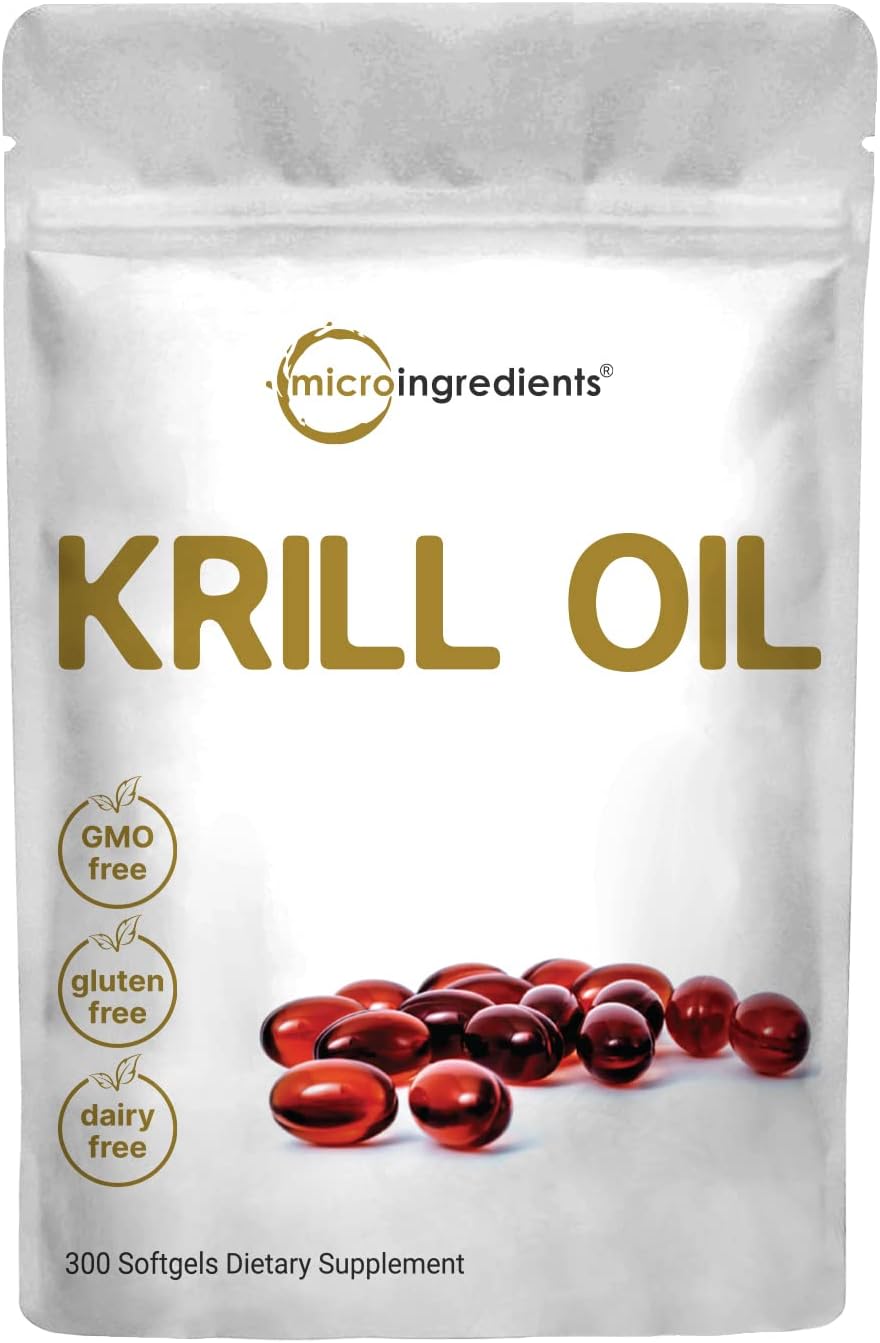
2. Micro Ingredients Antarctic Krill Oil Supplement (500mg/softgels)
Buy on Amazon
– Rich in Vitamins
Rich in Immune Vitamins (Vitamin C, Vitamin B1, Vitamin B2, Vitamin B12), Minerals (Zinc Vitamin, Magnesium, Calcium, Potassium), Omega 3s EPA, DHA, Astaxanthin and Phospholipids, Premium Krill Oil for Adults and Krill Oil for Kids.
– Provide Many Benefits
Powerfully Promotes Cognitive, Internal Circulation , Joint, Heart Health and Immune System, Help Protect Your Cells against Radicals.
– Safety Checked
No GMOs. No Soy. No Gluten. No Preservatives. No Dairy. No Artificial Colors or Flavors. 3RD Party Lab Tested for Safety and Purity.
Ratings
4.6 out of 5 – more than 4,600 global ratings
Micro Ingredients Antarctic Krill Oil Supplement Reviews
It helps with my inflammation, a great benefit for my arthritis, barley feel the excruciating pain and I have heart issues, but I am heart healthy and I am thankful for my krill oil, I have to take medication for my heart but it is at a minimal dosage and have normal blood pressure. I've been buying krill oil for years and discovered your product at a substantial savings and will only buy this product, thank you.
B. Algae Oil Supplements
1. Nordic Naturals Algae Omega

Nordic Naturals Algae Omega can help vegetarians & vegans meet their daily recommended serving of omega-3 EPA + DHA. Derived from microalgae, our Algae Omega is certified vegan by the American Vegetarian Association. This provides a sustainable, fish-free alternative to fish oil supplements.
- non-GMO & third-party tested
- gluten & dairy free, with no artificial colors or preservatives
Ingredients
algal oil (marine algae oil [Schizochytrium sp.], high-oleic sunflower oil, rosemary extract, natural mixed tocopherols (antioxidant), ascorbyl palmitate), soft gel capsule (modified cornstarch, glycerin, carrageenan, sorbitol, water, carob color). No gluten, milk derivatives, or artificial colors or flavors.
I go with this omega 3 oil because I believe the algae source is more sustainable than oil from fish or krill. The capsules are a reasonable size, not hard to swallow, and as far as I can tell have no flavor.
2. Sport Research Vegan Omega-3 Plant-Based Algae Oil
Sourced from sustainable Algae Oil providing 770mg of heart healthy Omega-3's per serving. The Only vegan omega-3 encapsulated in plant-based Tapioca Softgel with NO carrageenan (seaweed extract).
- Non-GMO Verified & Vegan Certified
- Formulated without Gelatin, Carrageenan, Corn Starch, Sorbitol or fillers.
- No Fish Burps
Ingredients
Vegan Omega-3 Concentrate (as life's(TM)OMEGA),Plantgel™ capsule (non-GMO modified tapioca starch, vegetable glycerin, purified water), sunflower seed oil, rosemary extract, tocopherols, ascorbyl palmitate.
Ratings: 4.6 out of 5 - more than 4,320 global ratings
I’ve been taking this for a month now because it was recommended to me by my pcp and it has really helped me out with my inflammation. I love that it’s a gel capsule because it has a sweet taste when I take it.

.png)
.png)

.jpg)
.jpg)


Comments