Personalized Health and Genomics: How Your DNA Can Transform the Way You Live
Introduction: Why One-Size-Fits-All Health Advice Is Failing You
You eat well. You exercise. You follow the latest health trends. And yet — something still isn't quite right.
You're not alone. Millions of people do everything "right" and still struggle with fatigue, weight, mood swings, or chronic conditions they can't seem to crack. The reason? Most health advice is designed for the average person — and you are not average.
This is where personalized health genomics comes in.
Your DNA is a 3-billion-letter instruction manual unique to you. It influences how you metabolize food, how your body responds to exercise, which vitamins you absorb well, how deeply you sleep, and even your predisposition to certain diseases. Unlocking this information doesn't just satisfy curiosity — it can fundamentally change how you approach your health.
In this guide, we'll explain what personalized genomics is, what it can tell you, and how to use it to make smarter, more effective health decisions.

What Is Personalized Health Genomics?
Personalized health genomics is the practice of using your individual genetic data — your genome — to inform health decisions specific to you. Rather than following generic population-level guidelines, genomic health insights are tailored to your unique biological blueprint.
The field sits at the intersection of:
- Genomics — the study of your DNA and genes
- Bioinformatics — the computational analysis of genetic data
- Precision medicine — healthcare tailored to individual characteristics
Until recently, this kind of analysis was available only in clinical research settings. Today, consumer-facing platforms make it accessible to anyone willing to provide a simple cheek swab or upload a raw DNA file.
How Does DNA Testing for Health Work?
The process is simpler than most people expect:
Step 1 — Sample collection. You collect a DNA sample — typically a cheek swab or saliva sample — using a kit sent to your home.
Step 2 — Genotyping or sequencing. Your sample is analysed in a laboratory. Standard consumer tests use a method called SNP genotyping, which reads hundreds of thousands of specific genetic variants (single-nucleotide polymorphisms, or SNPs) known to influence health. More advanced options like whole genome sequencing (WGS) read your entire genome for the deepest level of insight.
Step 3 — Analysis and reporting. Your raw genetic data is run through algorithms and scientific databases to generate reports linking your specific variants to health traits, disease risks, nutritional needs, medication responses, and more.
Step 4 — Personalised recommendations. The best platforms don't just dump data on you — they translate findings into actionable guidance: what to eat, which supplements to consider, which lifestyle changes are most likely to benefit your biology.
What Can Your DNA Tell You About Your Health?
This is where genomics gets genuinely exciting. Here are the major health areas your DNA can inform:
1. Nutrition and Diet
Your genes influence how you process carbohydrates, fats, and proteins. Some people are genetically predisposed to thrive on a low-carb diet; others process saturated fat efficiently and don't need to restrict it as aggressively. Specific variants affect:
- Lactose tolerance — whether you can digest dairy comfortably
- Gluten sensitivity — your genetic predisposition beyond celiac testing
- Caffeine metabolism — whether caffeine is likely to disrupt your sleep or anxiety levels
- Omega-3 conversion — how efficiently you convert plant-based omega-3s (ALA) to usable forms (EPA/DHA)
- Vitamin absorption — particularly vitamins B12, D, folate, and iron
Rather than following a diet designed for someone else's biology, genomic insights allow you to build a nutrition strategy around how your body actually works.
2. Supplement Needs
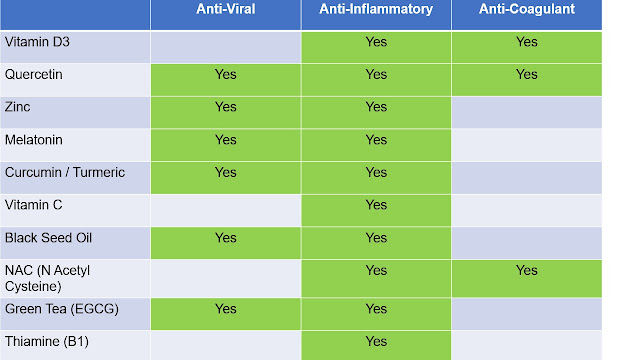
Supplements are a multi-billion-dollar industry — yet most people take them based on generic advice rather than their actual needs. Your DNA can identify functional deficiencies and conversion inefficiencies. A key example is the MTHFR gene: certain variants impair folate metabolism, meaning standard folic acid supplements may be poorly utilized, and methylfolate is a better option. Similar genetic considerations apply to:
- Vitamin D (absorption and conversion variants)
- Magnesium (how much you require)
- CoQ10 (energy production in cells)
- Zinc and selenium requirements
3. Disease Risk and Prevention
Genomic testing can identify elevated polygenic risk scores for a range of common and serious conditions, including:
- Cardiovascular disease and high cholesterol
- Type 2 diabetes and insulin resistance
- Certain cancers (breast, prostate, colorectal)
- Autoimmune conditions (Hashimoto's, rheumatoid arthritis)
- Alzheimer's and cognitive decline
Importantly, genetic risk is not destiny. A high polygenic risk score for a condition is a signal to be more proactive — to monitor biomarkers, adjust lifestyle, and discuss screening with your doctor — not a diagnosis. Many high-risk individuals never develop a condition; many low-risk ones do. The value is in knowing where to focus your preventive efforts.
4. Medication Response (Pharmacogenomics)
One of the most clinically valuable applications of genomics is pharmacogenomics (PGx) — understanding how your genes affect your response to medications. Genetic variants can determine:
- Whether a drug will work for you at standard doses
- Whether you're a fast or slow metaboliser of specific compounds
- Your risk of adverse reactions or side effects
This is particularly relevant for antidepressants, blood thinners, statins, pain medications, and chemotherapy. Instead of a trial-and-error approach to prescribing, PGx testing allows doctors to make more informed decisions from the start.
5. Mental Health and Neurotransmitters
Your genes play a meaningful role in mental health — not by determining your emotional life, but by shaping the biochemical environment of your brain. Relevant pathways include:
- Dopamine and norepinephrine — affecting focus, motivation, and mood regulation
- Serotonin and melatonin — influencing mood stability, sleep, and anxiety
- COMT enzyme — affecting how quickly you break down stress hormones
Understanding your neurochemical tendencies doesn't replace mental health care, but it can guide nutritional, lifestyle, and therapeutic choices.
6. Fitness and Recovery
Genomics can help you exercise smarter. Genetic variants influence:
- Whether you're more suited to endurance vs. power-based sports
- How quickly you recover from exercise
- Your injury risk (e.g., ACL ligament variants, tendon vulnerability)
- VO2 max potential and cardiovascular adaptation
This doesn't mean you can't run a marathon if your genes prefer sprinting — but it does mean you can train more efficiently and avoid preventable injuries.
7. Sleep, Hormones, and Longevity
Emerging research is linking genetics to sleep architecture, circadian rhythm preferences (whether you're a genuine morning person or night owl), hormone levels, and even markers of biological ageing like telomere length. Genomic platforms are increasingly incorporating longevity-focused reports drawing on this science.
The Role of AI in Personalized Genomics
The sheer volume of genetic data — millions of variants per person — means that artificial intelligence is essential to making sense of it. Modern platforms use AI to:
- Cross-reference your variants against thousands of peer-reviewed studies
- Generate personalised risk scores using polygenic models
- Adapt recommendations dynamically as you add more health data (bloodwork, symptoms, lifestyle)
- Answer your specific health questions in context of your unique profile
This integration of AI with genomics is what separates today's consumer platforms from earlier, more basic DNA testing services. Instead of receiving a static PDF, users now interact with a system that reasons across their full health picture.
Personalized Genomics vs. Standard Health Advice: A Practical Example
Consider two people, both experiencing persistent fatigue:
Person A follows standard advice: more sleep, less stress, take a multivitamin. No improvement.
Person B gets a genomic analysis and discovers:
- An MTHFR variant impairing folate metabolism
- A variant reducing iron absorption efficiency
- A genetic predisposition to hypothyroidism
Armed with this information, Person B works with their doctor to check relevant blood markers, switches to methylfolate, addresses iron levels, and gets thyroid testing. Their fatigue resolves.
This is the real-world promise of personalized genomics: not magic, but targeted clarity that makes your health efforts far more efficient.
What to Look for in a Personalized Health Genomics Platform
If you're considering a consumer genomics platform, here's what distinguishes the best from the rest:
Scientific rigour. Look for platforms that cite peer-reviewed research and use validated prediction models. Beware of services making dramatic clinical claims without scientific backing.
Breadth of reports. Comprehensive platforms cover nutrition, fitness, mental health, longevity, medications, hormones, and disease risk — not just ancestry or basic traits.
Actionability. Raw genetic data is useless without interpretation. The platform should translate findings into clear, specific recommendations for diet, supplements, and lifestyle.
Data privacy. Your genetic data is among the most sensitive personal information that exists. Ensure any platform you use offers: HIPAA and/or GDPR compliance, no data selling, strong encryption, and the ability to delete your data on request.
Integration. Leading platforms allow you to combine DNA data with bloodwork, symptoms, and lifestyle factors for a more complete picture. This multi-modal approach is significantly more powerful than genetics alone.
Professional access. The option to consult with qualified practitioners to help interpret results and translate them into a care plan is a major differentiator.
Is Personalized Genomics Mainstream Yet?
It's getting there. The global personalized genomics market is growing rapidly, driven by falling sequencing costs, advances in AI-powered analysis, and growing consumer interest in proactive health. What was once a tool limited to clinical research and wealthy biohackers is becoming accessible to a much broader population.
Several factors are accelerating this shift:
- Whole genome sequencing costs have fallen dramatically over the past decade, making deeper analysis affordable for consumers
- AI is making the interpretation of complex genetic data faster and more accessible
- Growing frustration with generic healthcare is driving consumers toward personalised solutions
- HSA and FSA eligibility is making genomic testing a legitimate healthcare expense in the US
That said, it's worth being clear: consumer genomics is a complement to — not a replacement for — conventional medical care. Results should ideally be reviewed with a qualified healthcare provider, particularly for anything involving disease risk or medication decisions.
Key Limitations to Understand
Responsible use of genomic data means understanding its boundaries:
- Not all traits are genetic. Environment, lifestyle, and life history play enormous roles in health. Genetics is one layer of a complex picture.
- Risk ≠ destiny. A genetic predisposition raises probability, not certainty. Most complex diseases are influenced by dozens or hundreds of variants alongside environmental factors.
- Research evolves. The science of genomics is moving fast. Some associations that appear significant today may be revised as larger studies are conducted, particularly in diverse populations.
- Population diversity matters. Much genomic research has historically been conducted in populations of European descent. Findings may be less accurate or well-validated for people of other ancestries, though this is improving.
Getting Started: Your Next Steps
Ready to understand what your DNA can tell you about your health? Here's a practical roadmap:
- Choose a reputable platform that offers comprehensive health reporting, strong privacy protections, and actionable guidance.
- Order a DNA kit (cheek swab) or upload raw data if you've already tested with another provider.
- Review your reports — start with the areas most relevant to your current health concerns.
- Cross-reference with bloodwork — genetics tells you about predispositions; blood tests tell you what's actually happening right now. The two together are powerful.
- Work with a practitioner — a doctor, functional medicine specialist, or genomics-trained clinician can help you prioritise and act on your findings.
- Iterate. Personalized health is not a one-time event. As research evolves and your health data grows, so does the value of your genomic insights.
Conclusion
Personalized health genomics represents a genuine shift in how we understand and manage our health. Rather than following advice designed for statistical averages, you can now make decisions informed by your unique biological makeup — your diet, supplements, fitness approach, medication choices, and disease prevention strategy all grounded in what actually applies to you.
We are still in the early stages of this revolution, and the science will continue to improve. But for health-conscious individuals who want to go beyond generic advice and take genuine control of their wellbeing, personalized genomics offers something genuinely valuable: a roadmap written in your own DNA.
Disclaimer: This article is for informational purposes only and does not constitute medical advice. Genomic test results should be discussed with a qualified healthcare professional before making decisions about your health.

.png)

.png)
.jpg)



Comments