10 Best Cancer Fighting Supplements 2023
What is Cancer?

Genetic changes that cause cancer can be inherited from our parents. That said, environmental factors could contribute up to 95% of cancers. They can also arise during a person’s lifetime as a result of errors that occur as cells divide or because of damage to DNA caused by certain environmental exposures. Cancer-causing environmental exposures include substances, such as the chemicals in tobacco smoke, and radiation, such as ultraviolet rays from the sun.
There are many types of cancer treatment. The types of treatment that you
receive will depend on the type of cancer you have and how advanced it is.
Surgery, radiation, and chemotherapy are the standard types of treatment for
cancer.
There are also many phoney “cancer treatments” with amazing claims but devoid of any scientific data to back them up, typical of health scams. Cancer is a life-threatening disease and therefore many consumers fell prey to these phoney cancer treatments.
A 2023 systematic review and meta-analysis of 14 RCTs (randomized
controlled trials), published in Ageing Research Reviews (Kuznia 2023) found vitamin D3 supplementation reduced cancer mortality by 6%.
This wasn’t considered statistically significant, but when only
studies involving daily vitamin D intake were analyzed, cancer
mortality dropped by a significant 12%.
Curcumin is one of the nutrients with the most evidence-based literature
supporting its use against cancer. There are more than 7,000 search
results on curcumin and cancer on PubMed and more than 50 clinical trials with curcumin, most of which are still ongoing. The spice
turmeric can be extremely helpful when it comes to fighting
cancer.
In a 2016 study, a team of scientists at the University of Pittsburgh and at
Pondicherry University, India, discovered the bioactive ingredient
in turmeric, curcumin, can both prevent and cure bowel cancers. The
team found the compound triggered cancer cell death by increasing a
level of protein labeled GADD45a. Lead author Rajasekaran Baskaran,
Ph.D., who has more than 20 years of experience in cancer research,
commented:
"Studies on the effect of curcumin on cancer and normal cells will be useful for the ongoing preclinical and clinical investigations on this potential chemo-preventive agent."
The first randomized-controlled trial to investigate the
combination of three complementary treatments for the prevention
of cancer and suggest that the combination of daily vitamin D3,
supplemental marine omega-3s, and a simple home exercise program
may be effective in the prevention of invasive cancer among
generally healthy and active adults aged 70 and older.
Findings from a study performed in mice, research from Harvard Medical
School’s Beth Israel Deaconess Medical Center in Boston demonstrated
omega-3 fat could reduce tumor growth by 67% (R).
The research was presented April 4, 2022 at the annual Experimental Biology meeting in Philadelphia. The animal model showed that omega-3 fatty acids helped promote the cancer-fighting activities of immunotherapy and anti-inflammatory therapy.
Flax seed is rich in omega-3 fatty acids, which may reduce the risk of certain cancers. When supplementing, try to avoid flaxseed oil because it
lacks the nutrients of ground flax seed. Ground flax seed can be
purchased online or found in many larger grocery store chains. Simply
sprinkle some ground flax seed on your food and enjoy.
Make sure you buy high-quality omega-3 fatty acid supplements, meaning that the omega-3 fatty acids are pure and have not oxidized much (having low “TOTOX” value).
TOTOX value stands for total oxidation value. The omega 3 fatty acids
EPA and DHA from fish oil are highly sensitive to oxidation. This means
that they are rapidly affected by contact with oxygen. Oxidised fatty
acids are not beneficial to our health. For this reason, a good fish oil
supplement has a low TOTOX value. The maximum TOTOX value is set at 26
by the Global Organization for EPA and DHA omega-3.
*Umbrella review: An umbrella review, or a review of reviews, is a systematic review that only considers other systematic reviews as an eligible study type for inclusion.
2022 - A meta-analysis to review the association between vitamins and brain cancer showed
that intake of vitamin C, β-carotene, and folate can reduce the
risk of brain cancer, while high serum α-tocopherol (vitamin E)
concentration also has a protective effect on brain cancer.
2022 - A systematic review on the effect of vitamins C and E on cancer survival
showed improvement of survival and progression rates of cancers
by vitamins C and E. However, the authors concluded
that more high quality trials with large sample sizes are
required to confirm.
High-dose vitamin C cancer therapy was introduced by Linus
Pauling and Ewan Cameron [R]. Clinical demonstration results by Pauling and Cameron showed
that intravenous injection of 10 g/day of vitamin C extended the
survival time of terminal cancer patients by about 4.2 times.
However, results from the Mayo Clinic in 1979 showed that the
survival time of vitamin C–treated patients was even shorter
than that of the placebo group patients [R]. A significant difference between those two research groups
was the route of AA administration: intravenous injection and
oral administration, respectively.
2022 - A paper published in August 2022 in Nutrition Research analyzed the pro-apoptotic effect that quercetin has on aging cells. The paper reviewed preclinical and early phase data using quercetin as a senolytic agent and found the data showed it was effective in “preventing or alleviating cancer formation.”
The authors reviewed the importance of cellular aging in the development of cancer cells and the effect that quercetin may have on the suppression of cancer cell proliferation.
Cellular senescence is a dynamic and multi-step process that is associated with alterations in metabolic activity and gene expression. This can compromise tissue regeneration and contribute to aging. On the other hand, by removing senescent cells, age-related dysfunction can be attenuated and potentially extend the lifespan.
The study was conducted on the basis of the Shandong
Intervention Trial, a randomized, placebo-controlled,
factorial-designed trial (1995-2003) in a well-recognized
high-risk area for GC in China. Participants were continuously
followed up to December 2017 for 22.3 y (1995-2017). A total
of 3,229 subjects were included.
One study of 543,220 participants found that those who ate lots of Allium vegetables, such as garlic, onions, leeks and shallots, had a lower risk of stomach cancer than those who rarely consumed them (Source).
A study of 471 men showed that a higher intake of garlic was associated with a reduced risk of prostate cancer (Source).
Related: Garlic, the ‘King of Cancer Prevention’
Several studies have demonstrated an association between high
magnesium intake and reduced risk of colorectal cancer
(CRC).
An analysis of the prospective, Swedish Mammography Cohort (JAMA 2005), evaluated 61,433 women aged 40 to 75 without a history of cancer for a mean follow-up of 14.8 years. The highest quintile of magnesium intake was associated with a significantly lower risk of CRC compared with the lowest quintile. This benefit was observed for both colon and rectal cancers.
A case-control study evaluated 2204 subjects from the Tennessee Colorectal Polyp Study (2007), which demonstrated that increasing total magnesium intake was significantly associated with decreasing risk of CR.. The highest tertile of dietary magnesium intake (>298 mg/day) was significantly associated with reduced risk of CRC in an age-adjusted model.
A study of 140,601 postmenopausal women from the Women’s Health Initiative (2015) with an mean follow-up of 13 years demonstrated a significant reduction in CRC risk with the highest quintile of total magnesium intake compared with the lowest quintile of magnesium intake. The benefit was driven by colon cancer, with a trend for rectal cancer.
Pancreatic Cancer
A study of 66,806 subjects aged 50 to 76 at baseline from the Vitamins and Lifestyle cohort (Nature 2015) evaluated magnesium intake and the incidence of pancreatic cancer during a mean follow-up of 6.8 years. Subjects with magnesium intake below the recommended dietary allowance were more likely to develop pancreatic cancer, particularly in those whose intake was less than 75% of the recommended dietary allowance. In this study, a 100 mg/day decrease in magnesium intake resulted in a 24% increase in risk of pancreatic cancer.
2. Sundown Naturals Garlic 1000 mg, 250 Odorless Softgels - Buy on Amazon
3. NatureWise Organic Curcumin Turmeric 2250mg, 95% Curcuminoids & BioPerine Black Pepper Extract - Buy on Amazon
4. Life Extension Curcumin Elite Turmeric Extract - Buy on Amazon
5. Doctor's Best Vegan Vitamin D3 2500IU - Buy on Amazon
6. MaryRuth Organics Liquid Vitamin D Spray - Buy on Amazon
7. Pure Encapsulations Selenium - Buy on Amazon
There are also many phoney “cancer treatments” with amazing claims but devoid of any scientific data to back them up, typical of health scams. Cancer is a life-threatening disease and therefore many consumers fell prey to these phoney cancer treatments.
Best Cancer-Fighting Supplements
1. Vitamin D3 and Cancer
Vitamin D can absorb calcium and help the immune, muscle, and
nervous systems function properly. There are more than 11,000 search results on vitamin D and cancer on PubMed.
The first randomized-controlled trial (DO-HEALTH) trial to
investigate the combination of three complementary treatments
for the prevention of cancer and suggest that the combination of
daily vitamin D3, supplemental marine omega-3s, and a simple
home exercise program may be effective in the prevention of
invasive cancer among generally healthy and active adults aged
70 and older.
Findings from a 3 year Randomized Controlled Trial with more
than 2,000 participants observed a 61% reduction in the risk
of invasive cancer among patients who completed a home
exercise program and took vitamin D3 and omega-3 fatty acids daily.
These results, from the DO-HEALTH trial (ClinicalTrials.gov
identifier NCT01745263), were published in Frontiers in Aging 2022.
A number of epidemiologic studies have also investigated whether
people with higher vitamin D intakes or higher blood levels of
vitamin D have lower risks of specific cancers. The results of
these studies have been inconsistent, possibly because of the
challenges in carrying out such studies. For example, dietary
studies do not account for vitamin D made in the skin from
sunlight exposure, and the level of vitamin D measured in the
blood at a single point in time (as in most studies) may not
reflect a person’s true vitamin D status. Also, it is possible
that people with higher vitamin D intakes or blood levels are
more likely to have other healthy behaviors. It may be one of
these other behaviors, rather than vitamin D intake, that
influences cancer risk.
The cancers for which the most human data are available are colorectal, breast, prostate, and pancreatic cancer. Numerous epidemiologic studies have shown that higher intake or blood levels of vitamin D are associated with a reduced risk of colorectal cancer (R). In contrast, the Women’s Health Initiative randomized trial found that healthy women who took vitamin D and calcium supplements for an average of 7 years did not have a reduced incidence of colorectal cancer (NEJM 2006). Some scientists have pointed out that the relatively low level of vitamin D supplementation (10 μg, or 400 IU, once a day), the ability of participants to take additional vitamin D on their own, and the short duration of participant follow-up in this trial might explain why no reduction in colorectal cancer risk was found.
The cancers for which the most human data are available are colorectal, breast, prostate, and pancreatic cancer. Numerous epidemiologic studies have shown that higher intake or blood levels of vitamin D are associated with a reduced risk of colorectal cancer (R). In contrast, the Women’s Health Initiative randomized trial found that healthy women who took vitamin D and calcium supplements for an average of 7 years did not have a reduced incidence of colorectal cancer (NEJM 2006). Some scientists have pointed out that the relatively low level of vitamin D supplementation (10 μg, or 400 IU, once a day), the ability of participants to take additional vitamin D on their own, and the short duration of participant follow-up in this trial might explain why no reduction in colorectal cancer risk was found.
According to BreastCancer.org, research suggests that certain cancers such as breast cancer, can
have a higher risk of occurring when the body has
low levels of vitamin D.
Studies also show a link between vitamin D deficiency
and cardiovascular disease, diabetes, and cancer (Sizar, 2020).
In 2016, a landmark study published in PLOS ONE found that women over 55
with blood concentrations of vitamin D higher than 40
ng/ml, had a 67% lower risk of cancer compared women
with levels lower than 20 ng/ml.
Many experts now recommend 800 to 1,000 IU a day, a
goal that's nearly impossible to attain without
taking a supplement. Although protection is far from
proven, evidence suggests that vitamin D may help
reduce the risk of prostate cancer, colon cancer,
and other malignancies.
Although the role of vitamin D in cancer prevention
remains an area of research interest and debate,
avoiding deficient levels is recommended. (American Cancer Society 2020)
Vitamin D can also be absorbed through sunlight, or
with the following diet:
- fatty fish
- egg yolks
- fortified milk
Make sure to take 500 mg to 1000 mg of magnesium and 150 mcg of
vitamin K2, (not K1) which are important cofactors for
optimizing vitamin D function. And, remember the only way you
know what your vitamin D level is, is to test it. Vitamin D
level should be in a therapeutic range of 50 to 70 ng/ml for
treatment of rheumatoid arthritis. Most people are shocked how
low their level is when they finally get around to testing it.
2. Turmeric (Curcumin)
Interestingly, curcumin appears to be universally useful for just about every type of cancer (Arslan 2022), which is really odd since cancer consists of a wide variety of different molecular pathologies.
Studies show that the curcumin in turmeric may kill cancer cells and slow
tumor growth. This preclinical research has taken curcumin from the
lab to the clinic.
The benefits of curcumin may include:
- blocking cancer cells from multiplying
- killing colon, breast, prostate, and melanoma cancer cells
- slowing tumor growth
A review paper published in 2022, analysed 21 human studies. Sixteen out
of 21 clinical trials were associated with the effectiveness of
curcumin or turmeric on various types of cancer, and the other
five clinical trials were related to the evaluation of the
efficacy of curcumin or turmeric in relieving the side effects
of cancer chemotherapy and radiotherapy. The emerging data from
the clinical trials confirm that curcumin has the potential for
cancer prevention and intervention.
Both curcuminoids and related turmeric products have been
sanctioned by the U.S. Food and Drug Administration (FDA) as
safe.
Why Whole Turmeric Is Ineffective
Unfortunately, while there's some curcumin in whole turmeric, there's not enough in the regular spice to achieve clinically relevant results. The turmeric root itself contains only about 3% curcumin concentration. Another major limitation of curcumin as a therapeutic agent is that it is poorly absorbed. When taken in its raw form, you're only absorbing about 1% of the available curcumin.
Unfortunately, while there's some curcumin in whole turmeric, there's not enough in the regular spice to achieve clinically relevant results. The turmeric root itself contains only about 3% curcumin concentration. Another major limitation of curcumin as a therapeutic agent is that it is poorly absorbed. When taken in its raw form, you're only absorbing about 1% of the available curcumin.
Because it's not easily absorbed through your gastrointestinal
tract, it's more effective to use a high-quality bioavailable
curcumin extract, according to a 2013 study. A typical anticancer dose is just under 1 teaspoon of curcumin
extract three or four times daily.
However, in the case of colon cancer, this poor absorption into
the bloodstream may be an advantage. As there is poor absorption,
higher levels of curcumin stay in the intestinal tract for longer
periods of time, having an effect on gastrointestinal
cancers.
In one study, participants took a 1,080 milligram (mg) dose per day of
curcumin for 10 to 30 days between their initial biopsy and
surgical removal. The patients taking the supplement experienced a
reduction in blood levels of inflammatory agent, improvement in
their body weight and an increased number of dying tumor cells.
"Studies on the effect of curcumin on cancer and normal cells will be useful for the ongoing preclinical and clinical investigations on this potential chemo-preventive agent."
New Curcumin Forms
Convenience and efficiency has driven many of the changes in the
forms of curcumin in later years. Because it's a fat-loving or
lipophilic molecule, many newer preparations now include some sort
of oil or fat, which improves its absorbability and
bioavailability. Such preparations typically have seven to eight
times higher absorption than the raw, unprocessed 95%
concentration of dry powder. There are also newer sustained
release preparations.
Turmeric and black pepper each have health benefits, due to the
compounds curcumin and piperine. As piperine enhances curcumin
absorption in the body by up to 2,000%, combining the spices
magnifies their effects. (Healthline)
3. Fish Oil (Omega-3 Fatty Acids)
PubMed has indexed more than 2,900 research studies on Omega-3 and cancer. Most people use fish oil supplements to enhance
the amount of omega-3’s in their diet.
Findings from a 3 year Randomized Controlled Trial with more
than 2,000 participants observed a 61% reduction in the risk
of invasive cancer among patients who completed a home
exercise program and took vitamin D3 and omega-3 fatty acids daily.
These results, from the DO-HEALTH trial (ClinicalTrials.gov
identifier NCT01745263), were published in Frontiers in Aging 2022.
The research was presented April 4, 2022 at the annual Experimental Biology meeting in Philadelphia. The animal model showed that omega-3 fatty acids helped promote the cancer-fighting activities of immunotherapy and anti-inflammatory therapy.
Many governments recommend eating omega-3 containing fatty fish, two
times per week. But that is often not enough. Ideally, people would
need to eat fatty fish four times per week, while also supplementing
with omega-3 fatty acids, at least 1,000 mg of pure omega-3 (DHA and
EPA) per day.
However, fish oil was shown in one study on mice (2015) to possibly reduce the effectiveness of chemotherapy, and for
that reason ground flax seed is a worthy alternative.
Make sure you buy high-quality omega-3 fatty acid supplements, meaning that the omega-3 fatty acids are pure and have not oxidized much (having low “TOTOX” value).
4. Vitamin C and E
PubMed has indexed more than 3,000 research studies on vitamin C and cancer and more than 5,000 studies on vitamin E and cancer.
Prevention
2022 - An umbrella review* (Xu 2022) to assess the existing systematic reviews and
meta-analyses for the association between vitamin C intake and
multiple health outcomes; showed that vitamin C intake was
associated with reduced risk of all-cause mortality,
cardiovascular disease (CVD), oesophageal cancer, gastric
cancer, cervical cancer and lung cancer with an increment of
50–100 mg per day.
Beneficial associations were also identified for respiratory,
neurological, ophthalmologic, musculoskeletal, renal and dental
outcomes. A total of 76 meta-analyses (51 papers) of randomised
controlled trials and observational studies with 63 unique
health outcomes were identified. Harmful associations were found
for breast cancer and kidney stones for vitamin C supplement
intake.
*Umbrella review: An umbrella review, or a review of reviews, is a systematic review that only considers other systematic reviews as an eligible study type for inclusion.
2022 - Obese women who took vitamin C and B6 at amounts that
exceeded the recommended daily intake levels were associated
with a lower risk of breast cancer, according to a five-year
long South Korean cohort study. 40,432 women without a history of cancer at baseline were
included in this study.
Treatment
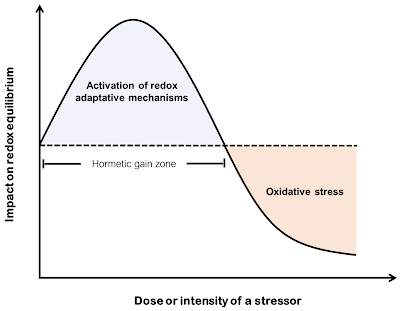
Vitamin C is known as an antioxidant, but at high
concentrations, vitamin C can kill cancer cells through a
pro-oxidant property (Transl Oncol. 2020). This study has also demonstrated that vitamin C
treatment with magnesium supplementation provided more effective
anticancer therapy than vitamin C treatment alone.

To understand the mechanism of AA's anticancer activity, many
research groups have treated colon, prostate, leukemia,
lymphoma, brain, and stomach cancer cells and chemically or
genetically transformed cancer cells with AA and showed cancer
growth inhibition and even cancer cell death through hydrogen
peroxide–mediated reactive oxygen species (ROS) generation [R]. In most cases, the pharmacological concentration of vitamin
C required for anticancer effects (EC50 value of 1–10 mM) could
only be achieved by intravenous administration. Thus, to
apply vitamin C as an anticancer therapy, a high
intracellular concentration in cancer cells is critically
important (R).
Green tea also contains chemicals called polyphenols that
have antioxidant, anti-inflammatory properties and
anti-angiogenic properties, and the catechins in green tea
polyphenols show very strong anti-angiogenic properties.
Some studies show health benefits in people who drink as
little as one cup per day, while other studies deem five
or more cups per day to be optimal (Source, Source).
5. Melatonin
PubMed has indexed more than 3,000 research studies on melatonin and cancer.
The Mediterranean Diet (MD) dietary pattern is also rich in
antioxidants, such as melatonin. A systematic review published
in Antioxidants (Elena 2023) showed high melatonin contents in MD-related foods, such as
tomatoes, olive oil, red wine, beer, nuts, and vegetables. The
consumption of specific MD foods increases melatonin levels
and improves the antioxidant status in plasma.
Melatonin is one of the most important antioxidant molecules.
In the human body — aside from having direct antioxidant
effects — it also stimulates the synthesis of glutathione
and other important antioxidants like superoxide dismutase
and catalase.
Many people are not aware that only 5% of your body’s
melatonin — which is also a potent anticancer agent — is
produced in your pineal gland. The other 95% is produced
inside your mitochondria — provided you get sufficient near
infrared exposure which is typically from sun on your bare
skin. This is why vitamin D is more than likely a biomarker
for sun exposure, which is intricately involved in melatonin
production. (R)
Treatment
2020 - A case series of 14 advanced cancer patients (Trends in Oncology 2020), treated with high dose (1,000 mg/day) of melatonin;
achieved a disease control of 54% of the patients.
The authors also concluded that:
"Moreover, this preliminary study may also suggest that
high dose melatonin has no toxicity in cancer patients
with poor clinical status, as well as in healthy
subjects."
6. Green Tea (EGCG)
PubMed has indexed more than 2,000 research studies
on EGCG and cancer.
Several epidemiological studies have reported that the consumption of green tea
may decrease cancer risk. Studies have also confirmed numerous health benefits of
green tea including prevention of cancer (R, R) and cardiovascular disease, as well as
anti-inflammatory, antioxidant, antiarthritic,
antibacterial, and antiviral effects. (R, R, R, R).
The Minnesota Green Tea Trial (MGTT. 2015) is the largest and longest
double-blind, placebo-controlled, randomized
intervention study that specifically evaluated the
effects of oral GTE (green tea extract) containing
defined quantities of EGCG on established biomarkers
of breast cancer risk.
They randomized and stratified 1075 healthy
postmenopausal women at high risk of breast cancer
according to their breast tissue density and
catechol-O-methyltransferase genotypes and divided
them into two groups: 537 placebo and 538 green tea
groups. Green tea group participants took 4 capsules
that contained 843 mg EGCG, whereas the placebo
group took capsules without green tea extracts.
Researchers measured changes in percent mammographic
density, circulating endogenous sex hormones, and
proteins of the insulin-like growth factor axis.
Their results showed that supplementation with
green tea extract could modify and reduce
mammographic density (MD) and protect against breast
cancer, even though it was only significant in
younger women (50–55 years) and had no effect in
older women (R), an age-dependent effect similar to those of
tamoxifen.
If you have cancer, consider drinking up to 3 cups of
green tea per day to experience the benefits. Green tea
pills are also available, but may be too concentrated.
7. Quercetin
PubMed has indexed more than 4,000 research studies
on quercetin and cancer.
2022 - A paper published in August 2022 in Nutrition Research analyzed the pro-apoptotic effect that quercetin has on aging cells. The paper reviewed preclinical and early phase data using quercetin as a senolytic agent and found the data showed it was effective in “preventing or alleviating cancer formation.”
The authors reviewed the importance of cellular aging in the development of cancer cells and the effect that quercetin may have on the suppression of cancer cell proliferation.
Cellular senescence is a dynamic and multi-step process that is associated with alterations in metabolic activity and gene expression. This can compromise tissue regeneration and contribute to aging. On the other hand, by removing senescent cells, age-related dysfunction can be attenuated and potentially extend the lifespan.
2020 - Another paper (2020) identified some of the anti-inflammatory,
antioxidant and antiproliferative properties quercetin has that
enhances breast cancer treatment, while another (2020) evaluated its effect on the treatment of
ovarian cancer, which is a serious cancer growth and threat to
women's health.
2019 - Research also has demonstrated that quercetin can promote the loss
of cell viability and autophagy through several pathways,
including those involving mitochondrial function and glucose
metabolism.
This study published in 2017 in Oncology Reports took things a step further, finding that quercetin induced cancer cell death in nine types of cancer, including prostate cancer, colon cancer, and breast caner.
This study published in 2017 in Oncology Reports took things a step further, finding that quercetin induced cancer cell death in nine types of cancer, including prostate cancer, colon cancer, and breast caner.
Quercetin affects endothelial (thin membrane lining heart and
blood vessels) cell proliferation, migration, and angiogenesis.
As an anti-angiogenic compound, it has been shown to have a
targeted effect on tumor angiogenesis in both in vitro and in
vivo experiments. It has also been demonstrated in animal
experiments that quercetin can reduce angiogenesis.
In another 2017 study, researchers gave quercetin to mice with tumors. Researchers found that mice in the quercetin-treated group showed delayed tumor growth, no significant changes in daily behavior, significantly better survival ratings, and increased rates of cell death.
In another 2017 study, researchers gave quercetin to mice with tumors. Researchers found that mice in the quercetin-treated group showed delayed tumor growth, no significant changes in daily behavior, significantly better survival ratings, and increased rates of cell death.
Quercetin may also target bladder cancer. In 2016, researchers published a landmark study in the American
Journal of Cancer Research. Researchers analyzed quercetin’s
effect on cancer cells in a test tube. They concluded, “We are
the first to show that quercetin displays potent inhibition on
bladder cancer cells via activation of AMPK pathway.”
According to Mount Sinai, quercetin should be used with caution as it may interact with
certain antibiotics by reducing the effectiveness of the drug.
It may also enhance the effect of some blood thinners, which can
increase your risk of bleeding. In addition to these, it may
interact with corticosteroids, digoxin, cyclosporine and
fluoroquinolones.
8. Garlic (Allicin)
PubMed has indexed more than 1,200 research studies
on garlic and cancer.
2023 - A randomized controlled trial (RCT) on garlic and
gastric cancer (GC), published in January 2023, found a significant reduction in the risk of developing
GC with increasing dietary intake of allium vegetables,
particularly garlic vegetables.
2020 - A meta-analysis of 11 studies, published
in January 2020, did find evidence that garlic could reduce the
risk of ColoRectal Cancer.
Another study published in the Asia Pacific Journal of Clinical Oncology (2019) revealed the odds of getting
ColoRectal Cancer were 79% lower in those who a
diet high in allium vegetables, which include
garlic, leeks and onions.
One study of 543,220 participants found that those who ate lots of Allium vegetables, such as garlic, onions, leeks and shallots, had a lower risk of stomach cancer than those who rarely consumed them (Source).
A study of 471 men showed that a higher intake of garlic was associated with a reduced risk of prostate cancer (Source).
Based on these findings, including 2–5 grams
(approximately one clove) of fresh garlic into your
diet per day can help you take advantage of its
health-promoting properties.
Several clinical studies have found an association between garlic intake and a lower risk of certain types of cancer.
Despite the promising results showing an
association between garlic and a reduced risk of
cancer, more studies are needed to examine whether
other factors play a role.
Garlic is a great choice when it comes to
giving your body a little extra protection. To
reap the benefits of garlic, you should eat one
clove per day, or 300 to 1,000 milligrams (mg) of garlic extract.
The active component in garlic is allicin, a
compound that has been shown to kill off
cancer cells in multiple test-tube studies (Source, Source, Source).
There is evidence demonstrating garlic can kill
cancer cells in vitro. Several studies have
analyzed the effects that dietary garlic may
have on the development of colorectal
cancer.
Several clinical studies have found an association between garlic intake and a lower risk of certain types of cancer.
9. Magnesium and Cancer
PubMed has indexed more than 5,000 research studies
on magnesium and cancer.
Colorectal Cancer
An analysis of the prospective, Swedish Mammography Cohort (JAMA 2005), evaluated 61,433 women aged 40 to 75 without a history of cancer for a mean follow-up of 14.8 years. The highest quintile of magnesium intake was associated with a significantly lower risk of CRC compared with the lowest quintile. This benefit was observed for both colon and rectal cancers.
A case-control study evaluated 2204 subjects from the Tennessee Colorectal Polyp Study (2007), which demonstrated that increasing total magnesium intake was significantly associated with decreasing risk of CR.. The highest tertile of dietary magnesium intake (>298 mg/day) was significantly associated with reduced risk of CRC in an age-adjusted model.
A study of 140,601 postmenopausal women from the Women’s Health Initiative (2015) with an mean follow-up of 13 years demonstrated a significant reduction in CRC risk with the highest quintile of total magnesium intake compared with the lowest quintile of magnesium intake. The benefit was driven by colon cancer, with a trend for rectal cancer.
Pancreatic Cancer
A study of 66,806 subjects aged 50 to 76 at baseline from the Vitamins and Lifestyle cohort (Nature 2015) evaluated magnesium intake and the incidence of pancreatic cancer during a mean follow-up of 6.8 years. Subjects with magnesium intake below the recommended dietary allowance were more likely to develop pancreatic cancer, particularly in those whose intake was less than 75% of the recommended dietary allowance. In this study, a 100 mg/day decrease in magnesium intake resulted in a 24% increase in risk of pancreatic cancer.
10. Molecular Hydrogen and Cancer
There is little evidence to show that molecular hydrogen can
reduce the risk of cancer.
However, in terms of cancer management or treatment, studies
involving the effects of H2 on cancer were systematically
reviewed. More than 600 articles related to molecular hydrogen
and cancer were retrieved from Cochrane, PubMed and Google
Scholar, and 27 articles were included for this systematic review (2023).
Based on the authors' analysis, "H2 plays a promising therapeutic role as an independent
therapy as well as an adjuvant in combination therapy,
resulting in an overall improvement in survivability, quality
of life, blood parameters, and tumour reduction."
Although H2 has demonstrated significant anti-cancer effects, the
underlying mechanisms have not yet been elucidated. Many studies
have shown that H2 therapy can reduce oxidative stress. This,
however, contradicts radiation therapy and chemotherapy, in which
ROS (Reactive Oxygen Species) are required to induce apoptosis and
combat cancer.
How to Naturally Prevent Cancer?
Even though, there is no guarantee that someone can get cancer,
here are lists of healthy habits for a healthy life:
- consume healthy diet
- exercise regularly
- maintain a healthy weight
- avoid tobacco and limit alcohol consumption
- sun protection for the skin
- get screenings and checkups on a regular basis
- manage stress
- limit exposure to environmental toxins
- avoid risky behaviors (e.g. unprotected sex, intravenous drug use)
- get enough sleep
This anticancer diet would have: (Source)
- adequate, but not excessive calories,
- 10 or more servings of vegetables a day, including cruciferous and allium vegetables; vegetable juice could meet part of this goal,
- 4 or more servings of fruits a day,
- high in fiber,
- no refined sugar,
- no refined flour,
- low in total fat, but containing necessary essential fatty acids,
- no red meat,
- a balanced ratio of omega 3 and omega 6 fats and would include DHA,
- flax seed as a source of phytoestrogens,
- supplemented with ~200 μg/day selenium,
- supplemented with 1,000 μg/day methylcobalamin (B-12),
- very rich in folic acid (from dark green vegetables),
- adequate sunshine to get vitamin D, or use 1,000 IU/day supplement,
- very rich in antioxidants and phytochemicals from fruits and vegetables, including α-carotene, β-carotene, β-cryptoxanthin, vitamin C (from foods), vitamin E (from foods),
- very rich in chlorophyll,
- supplemented with beneficial probiotics,
- supplemented with oral enzymes
Best Cancer Fighting Foods
- Citrus Fruits and berries
- Broccoli and Cruciferous vegetables
- Leafy green vegetables
- Carrots
- Beans
- Nuts
- Olive Oil
- Garlic
- Turmeric (Curcumin)
- Tomato (Lycopene)
- Soy
These reductions are without taking into account many of the
other factors considered in this review, such as markedly
increased fruit and vegetable intake, balanced omega 3 and 6
fats, vitamin D, reduced sugar intake, probiotics, and
enzymes – factors which all are likely to have an impact on
cancer. Certainly, cancer prevention would be possible, and
cancer reversal in some cases is quite likely.
Best Cancer Fighting Foods
Source: Cancer-Fighting Foods
Online Buying Guide
1. Puritan's Pride Odorless Garlic Supplements - Buy on Amazon
2. Sundown Naturals Garlic 1000 mg, 250 Odorless Softgels - Buy on Amazon
3. NatureWise Organic Curcumin Turmeric 2250mg, 95% Curcuminoids & BioPerine Black Pepper Extract - Buy on Amazon
4. Life Extension Curcumin Elite Turmeric Extract - Buy on Amazon
5. Doctor's Best Vegan Vitamin D3 2500IU - Buy on Amazon
6. MaryRuth Organics Liquid Vitamin D Spray - Buy on Amazon
7. Pure Encapsulations Selenium - Buy on Amazon

.png)

.png)
.jpg)



Comments